TEST KITCHEN
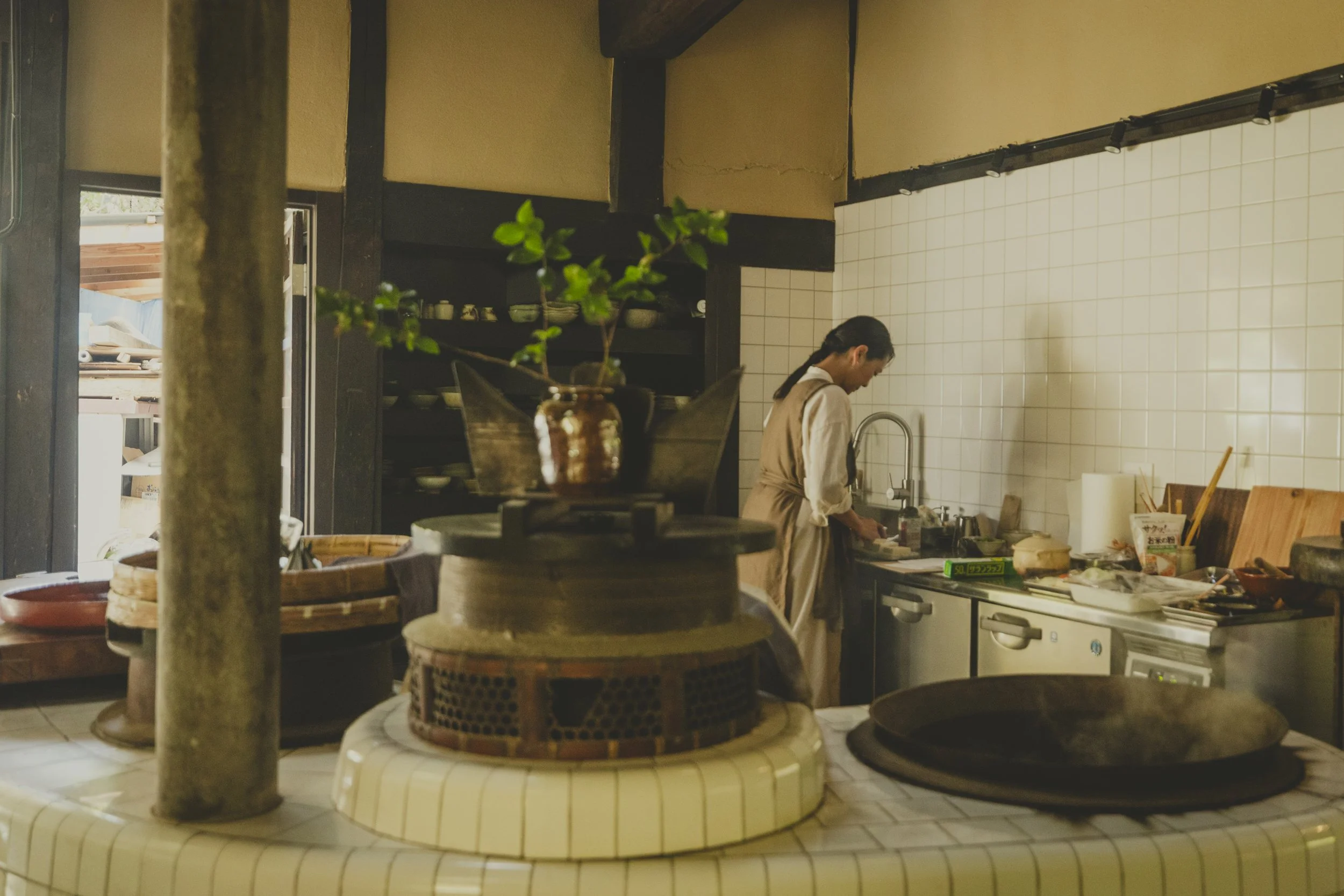
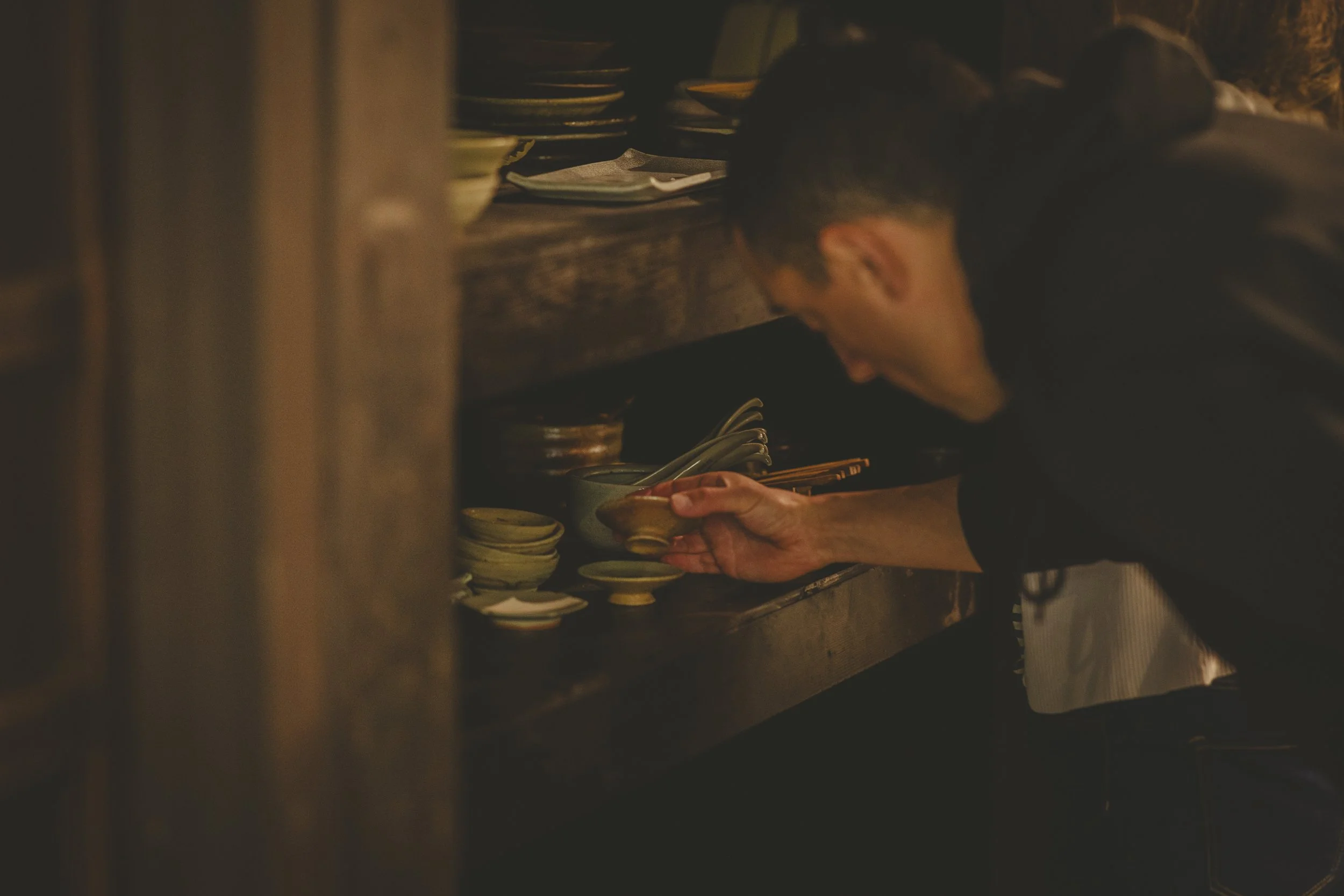
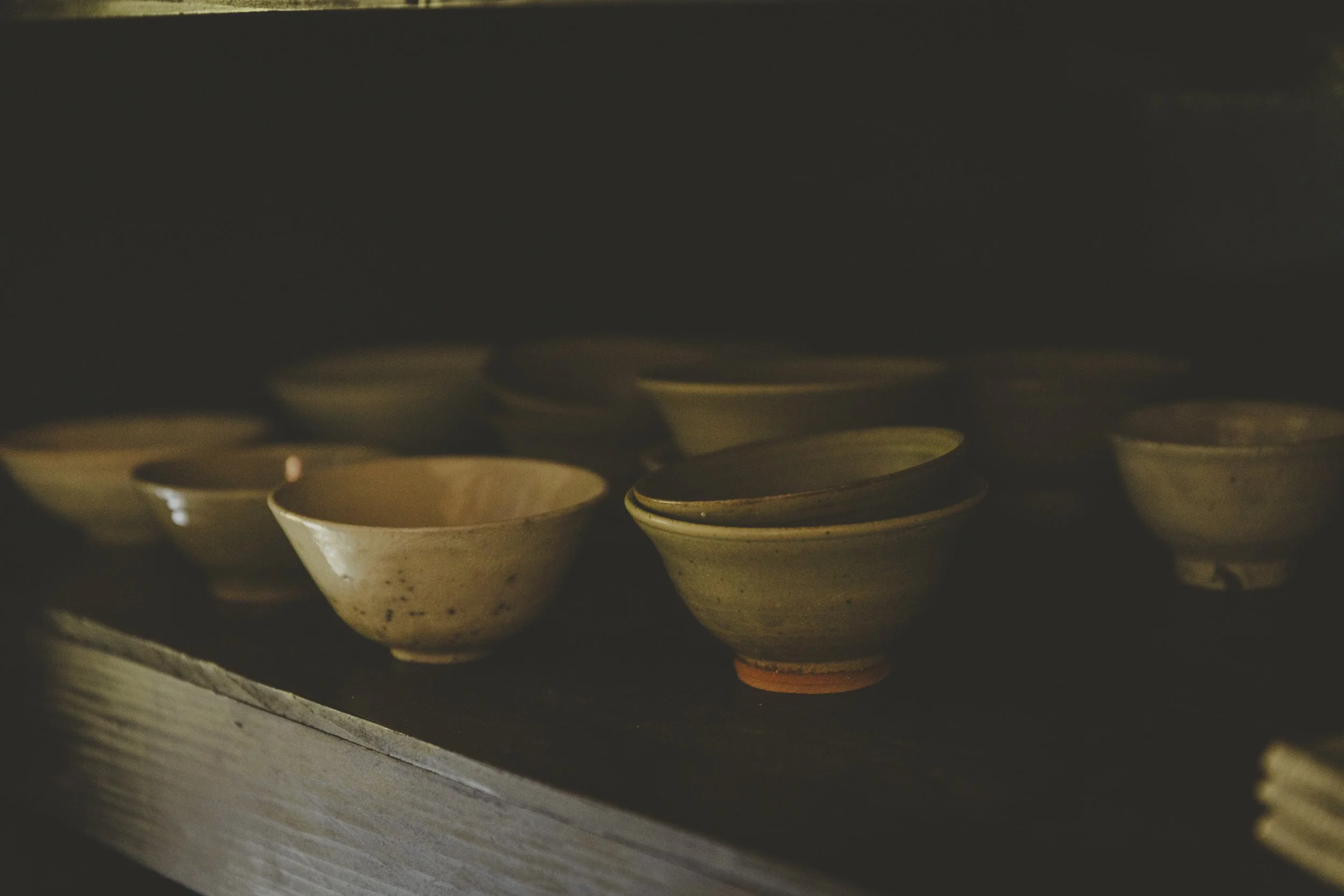
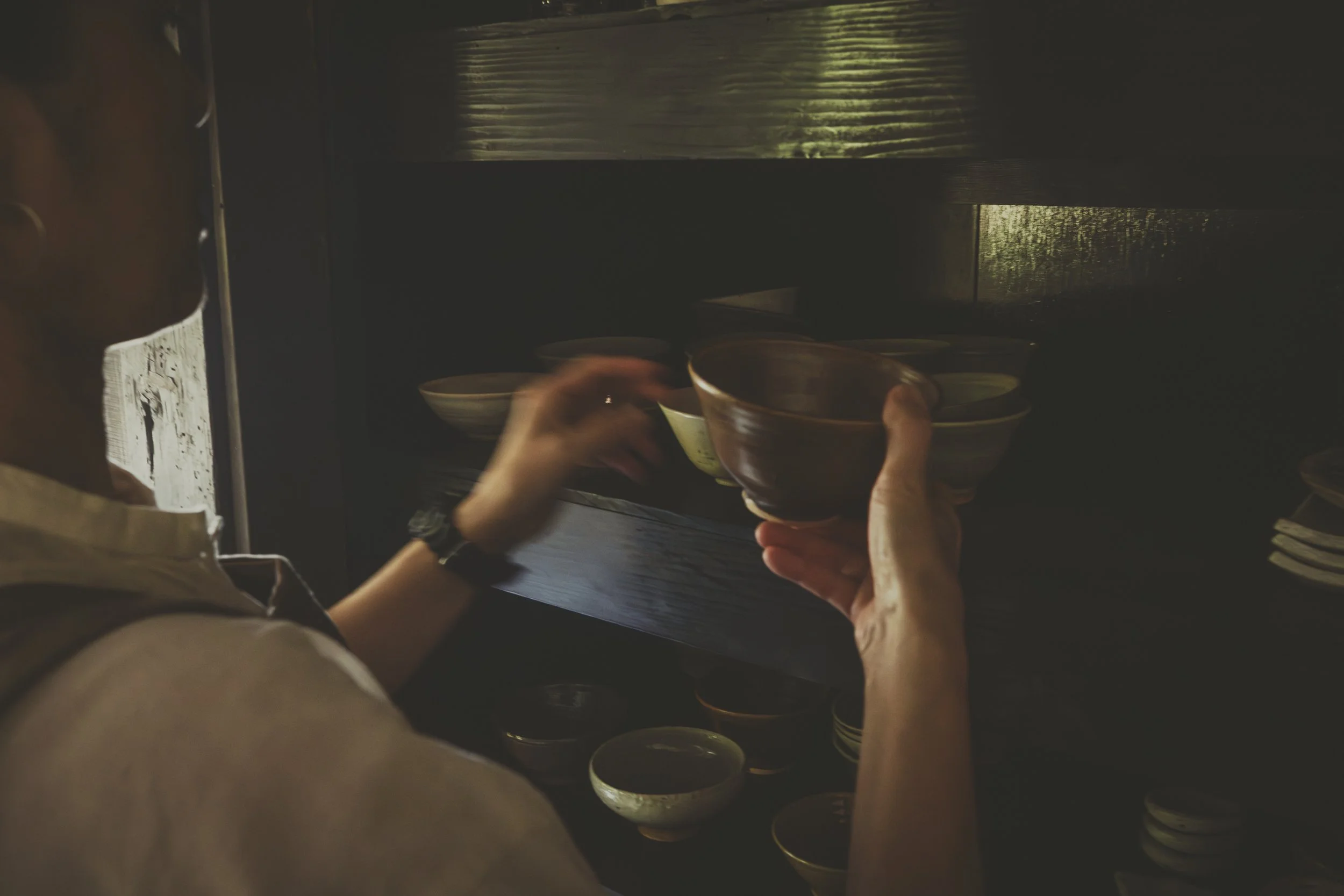
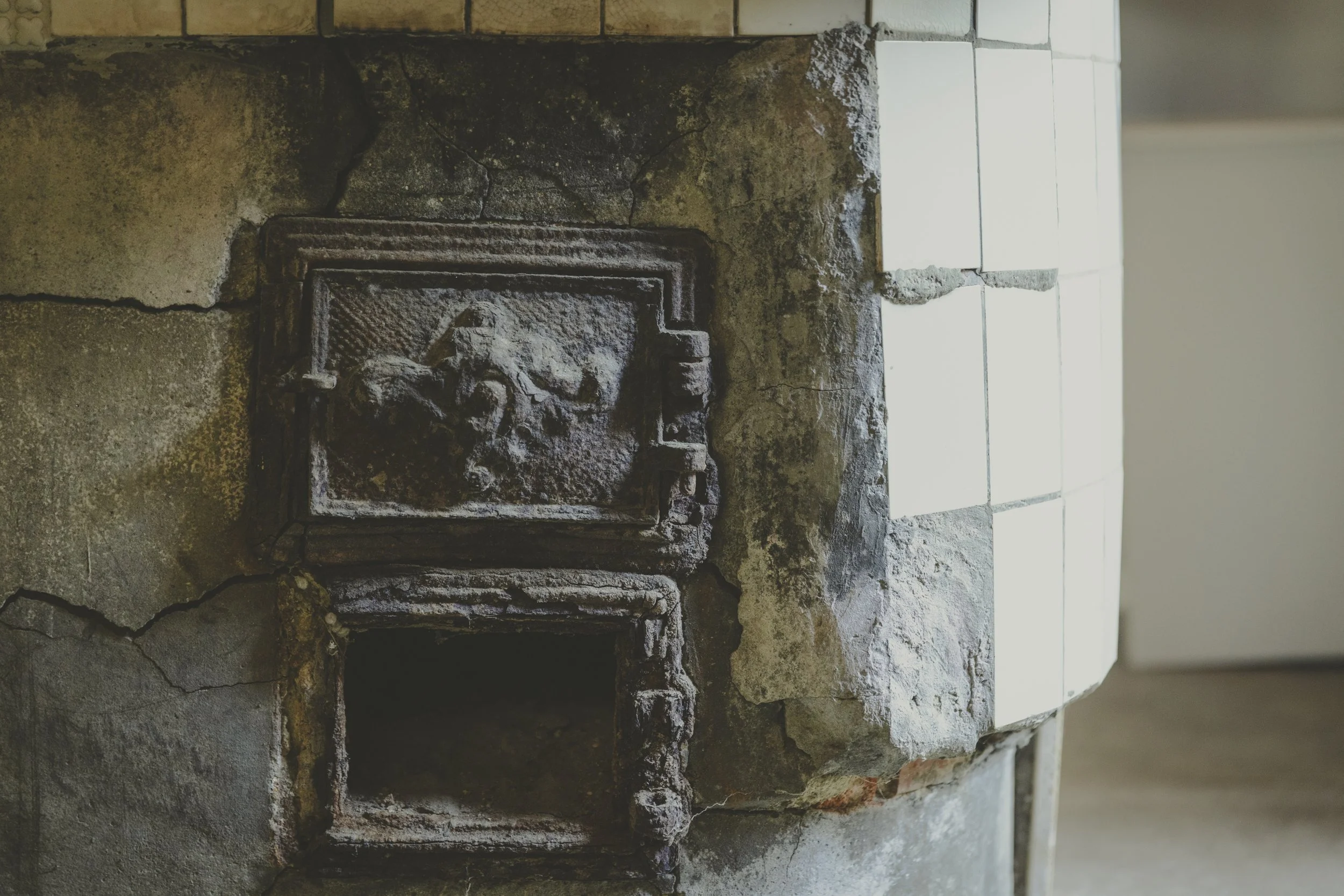
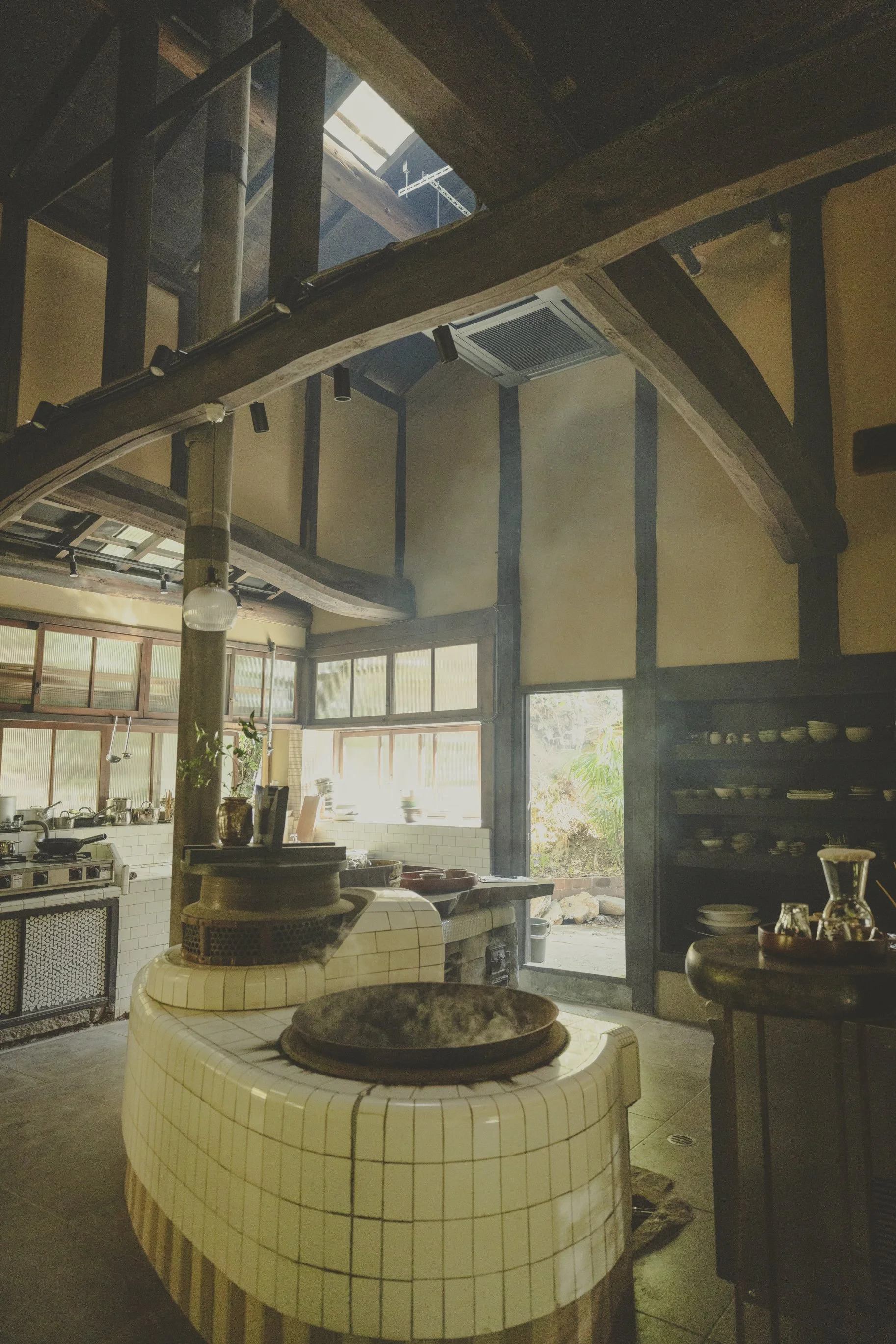
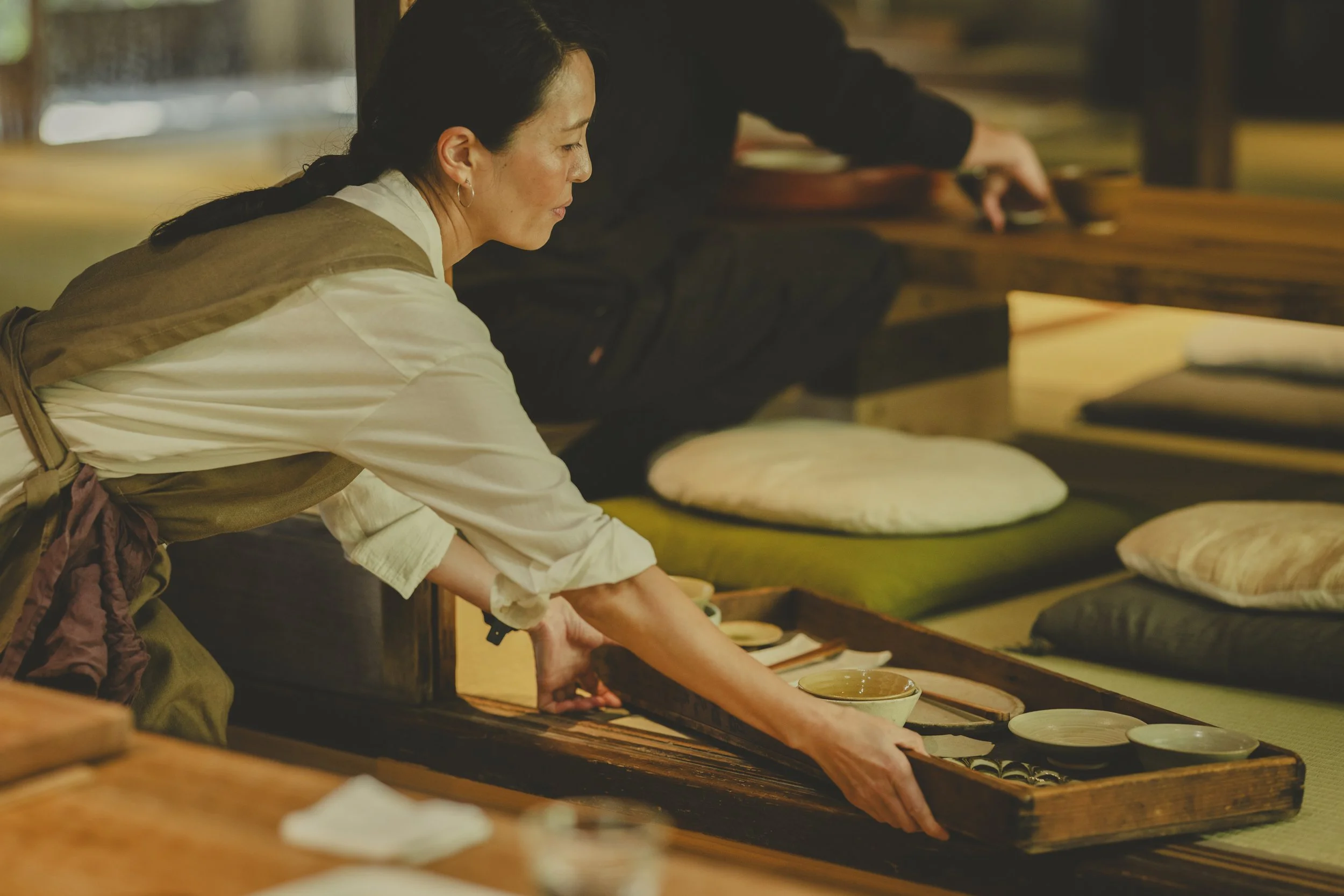
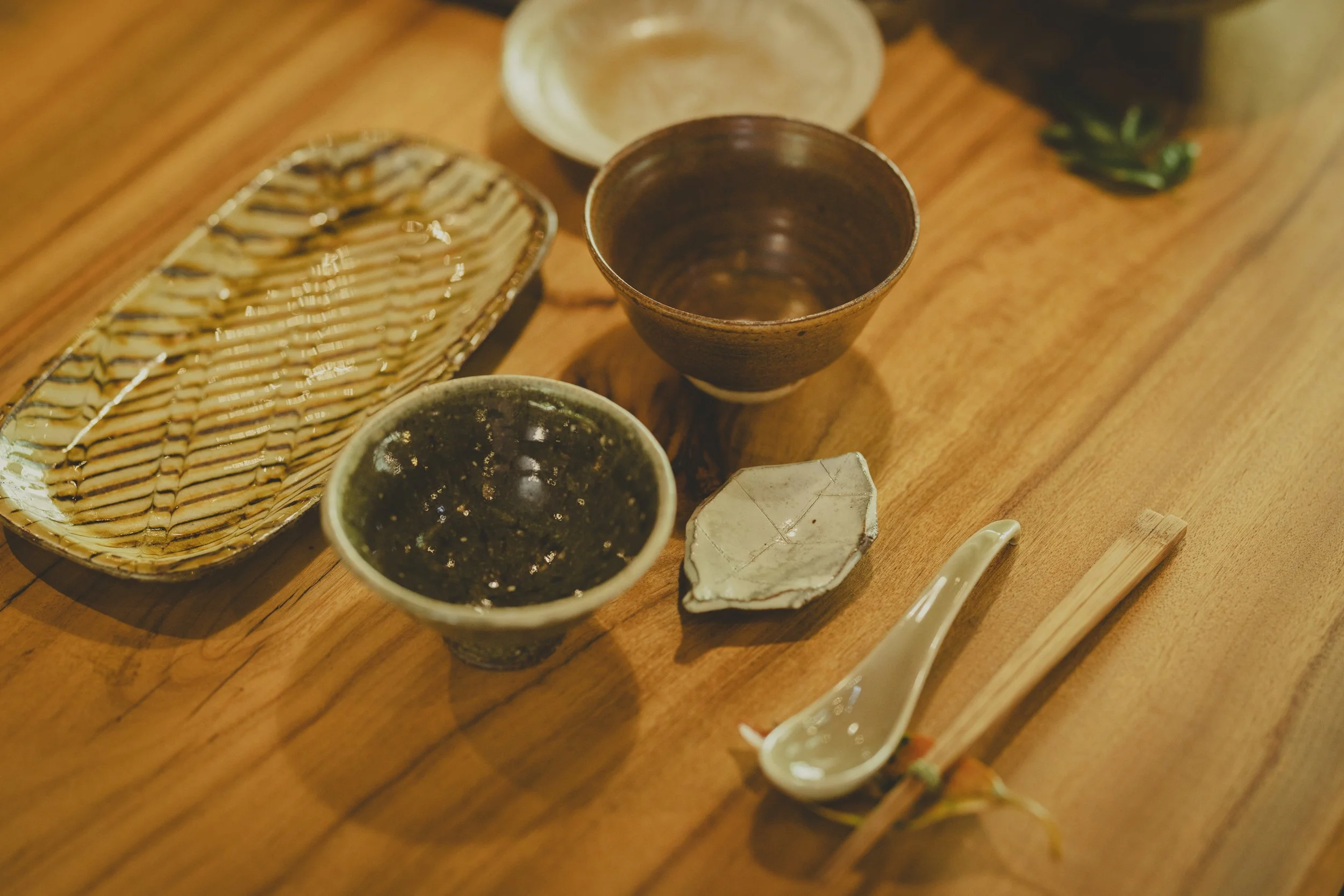
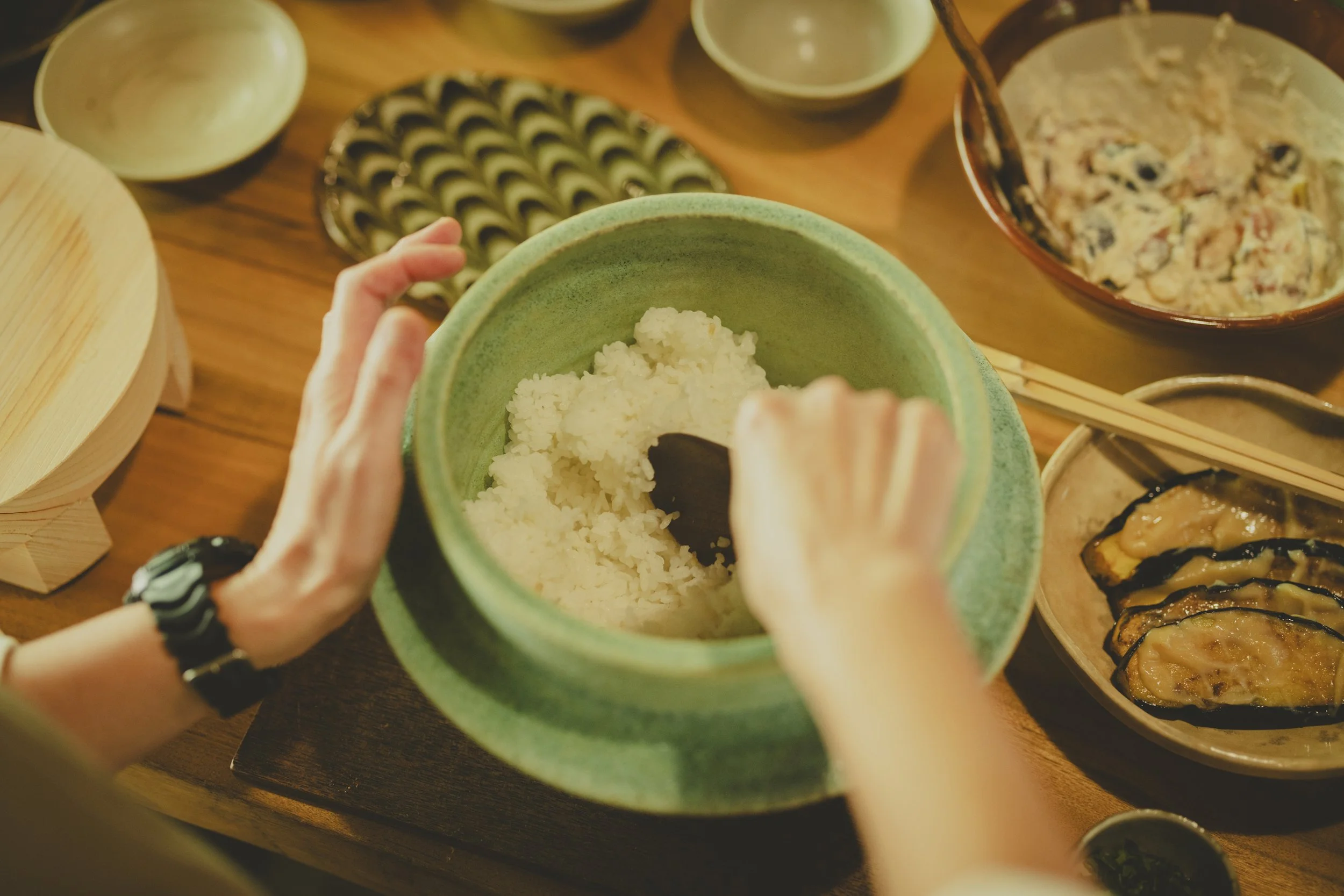
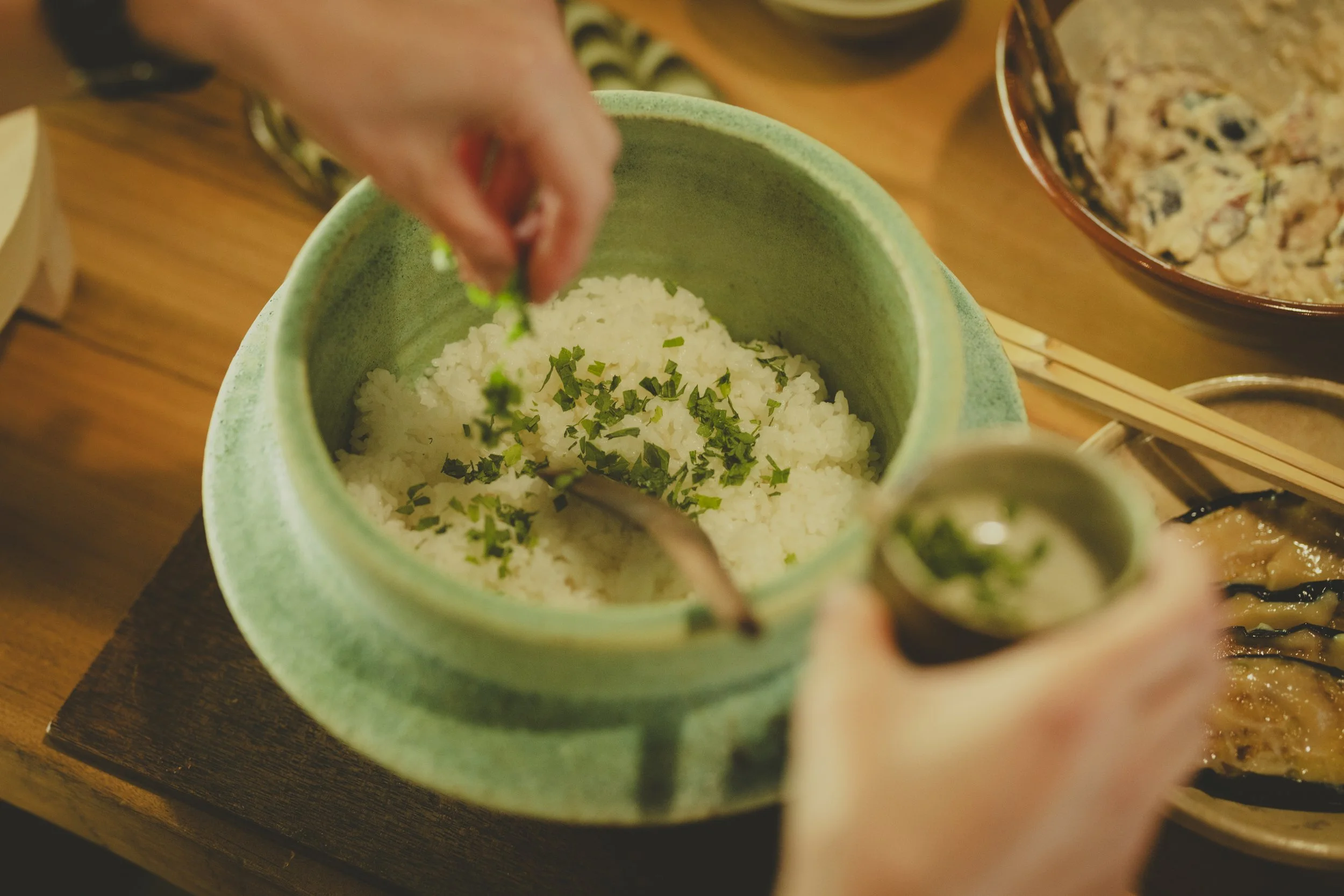
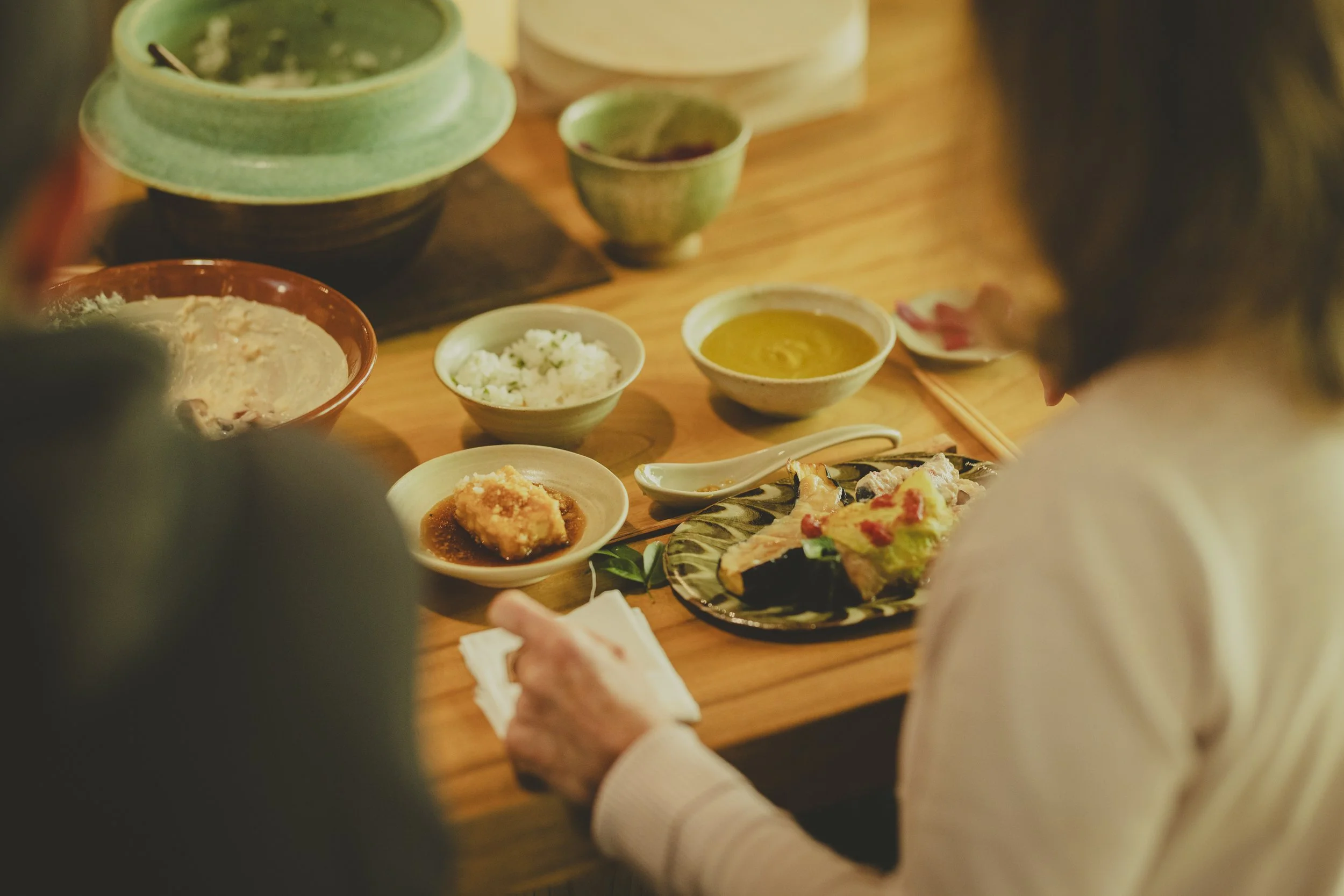
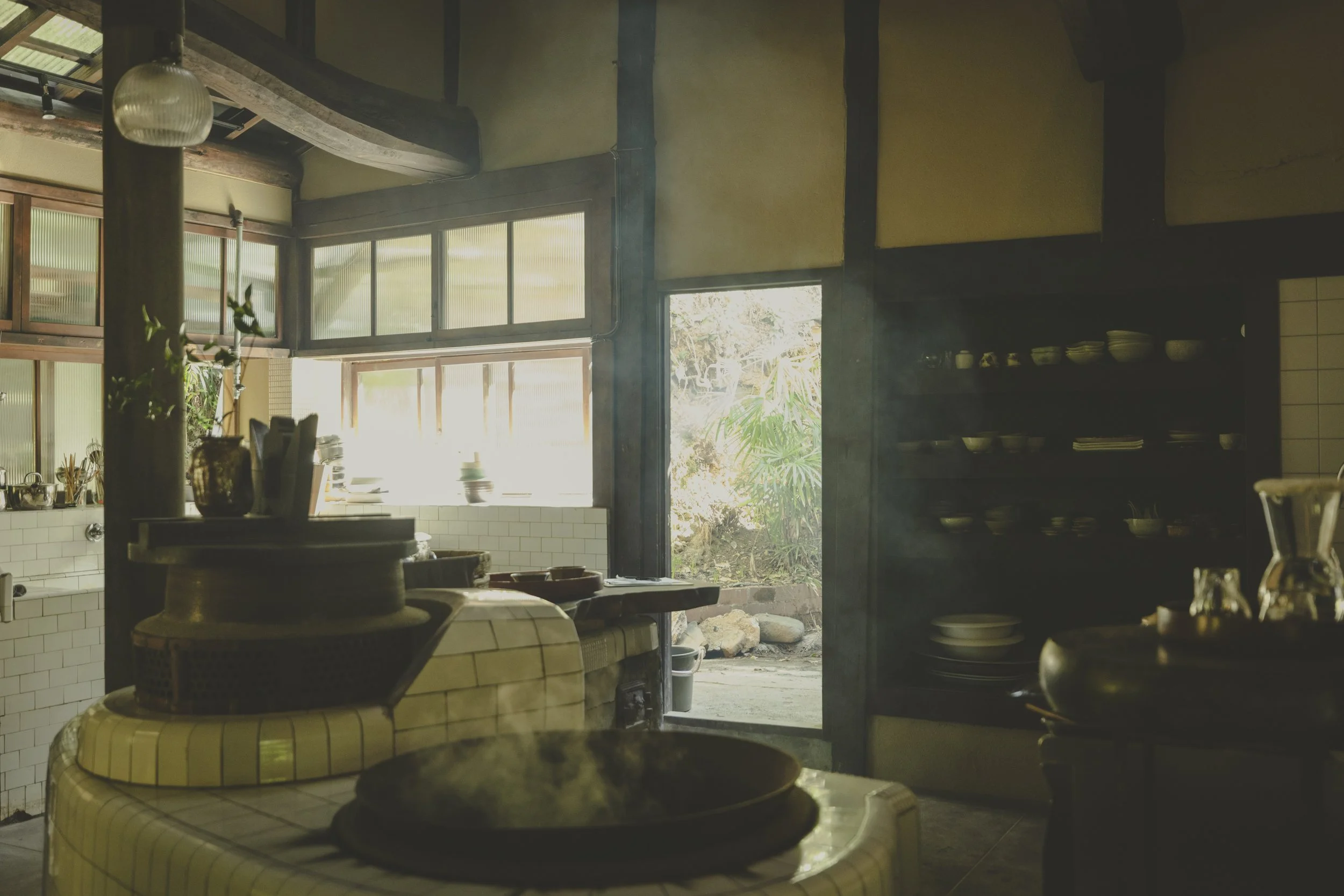
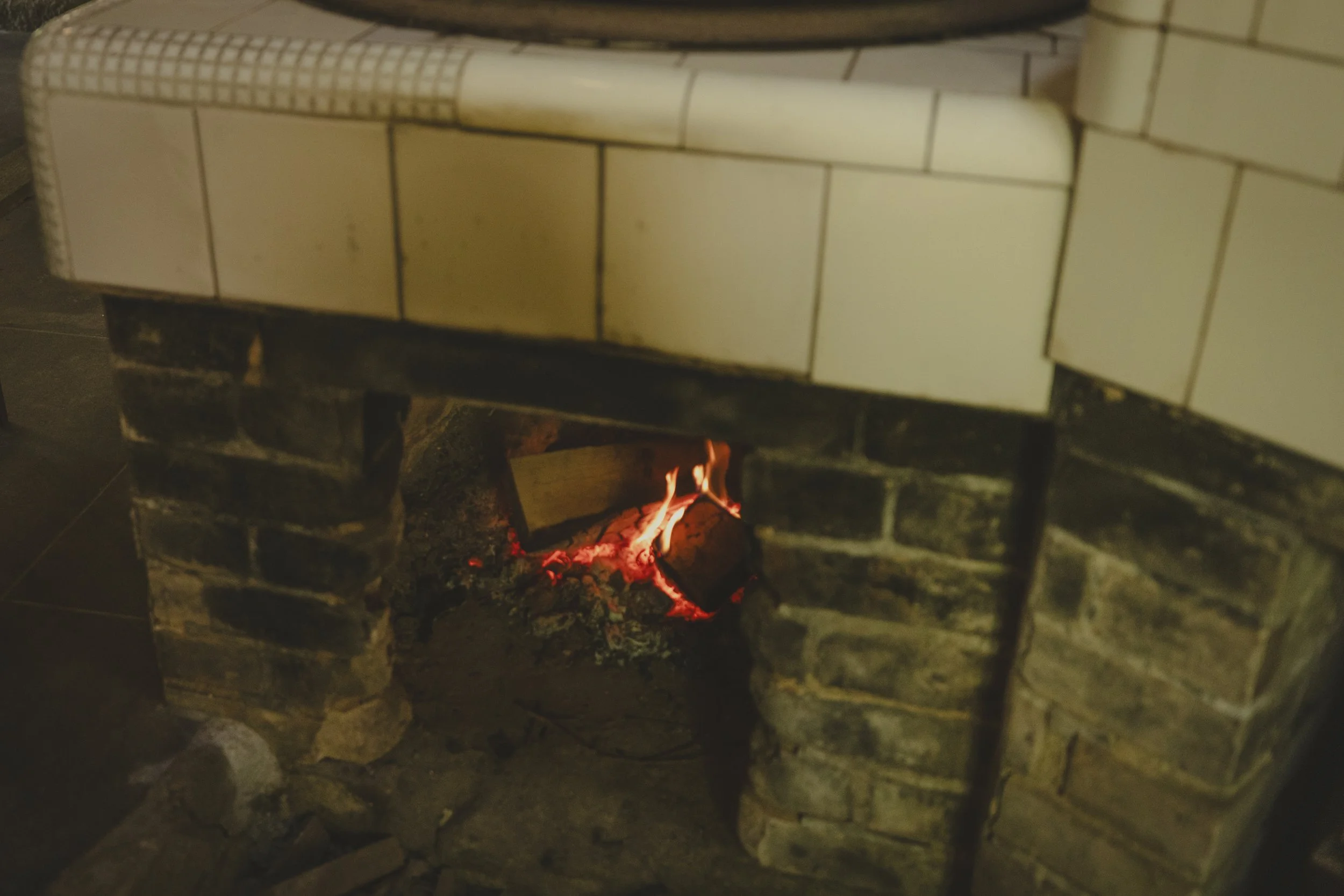
Kyoto Research Institute’s Test Kitchen is a dedicated food laboratory to explore the heritage materials of Japan’s cookery culture. We explore how these materials nourish daily life in today’s kitchens, no matter where we call home.
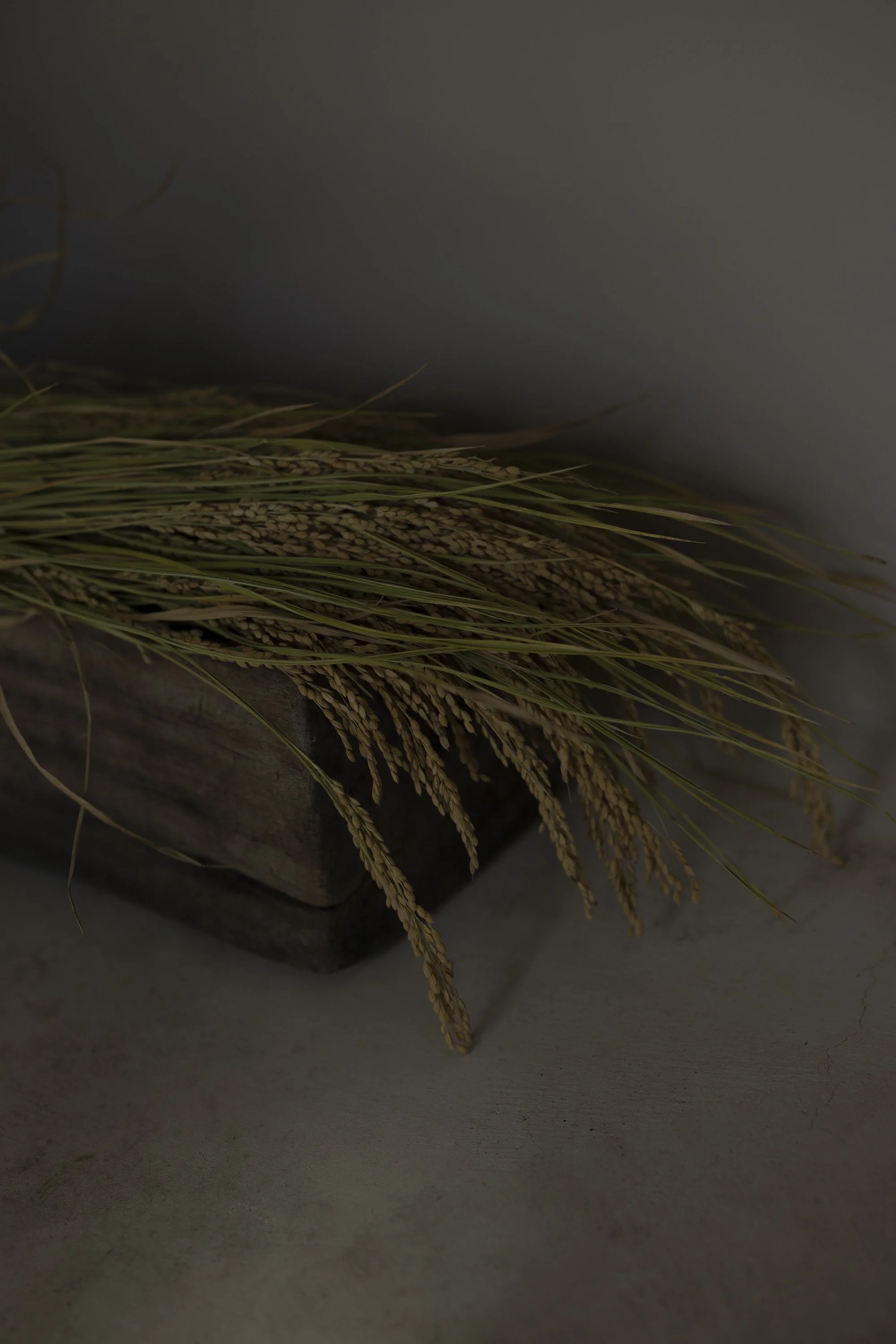
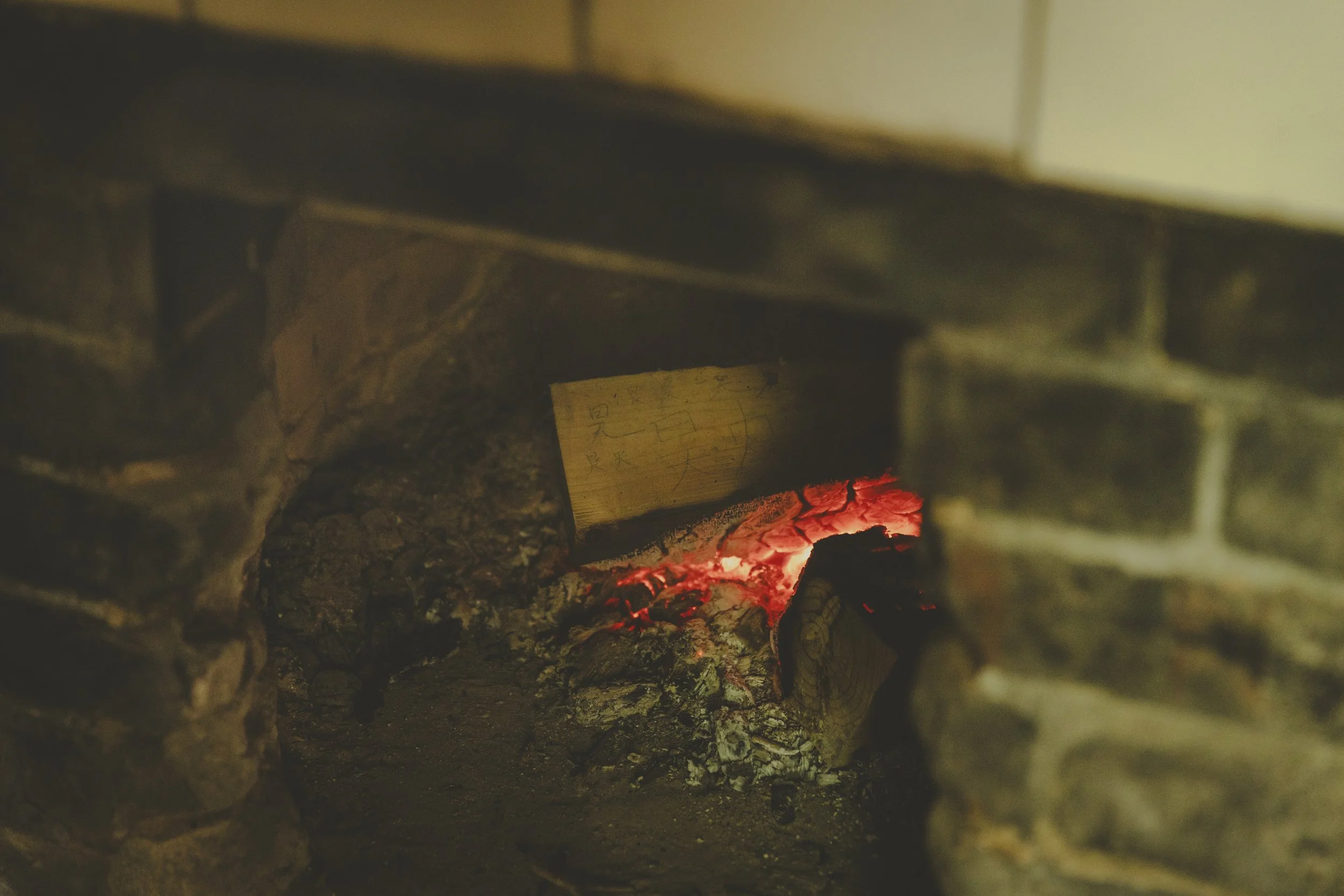
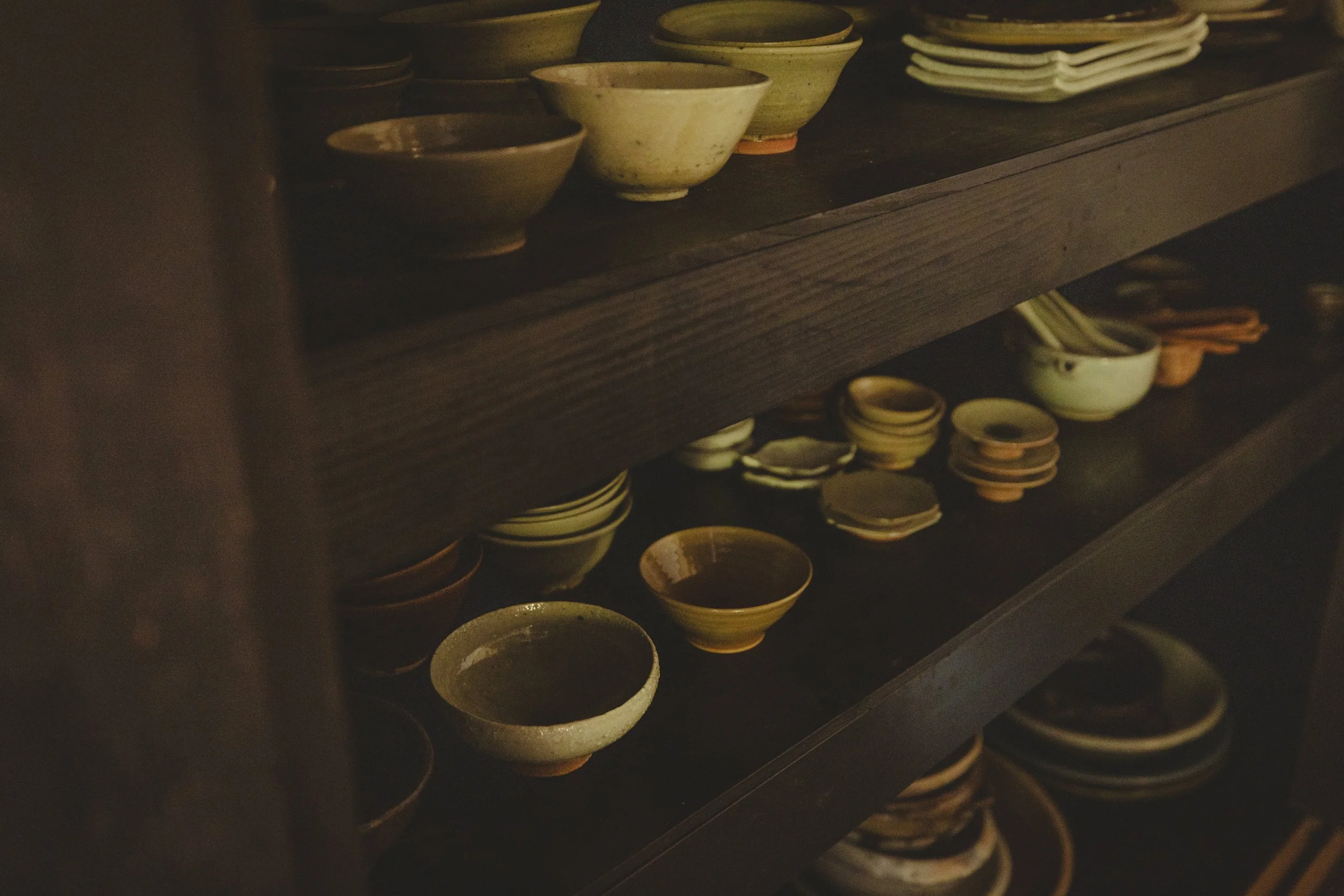
At the center of this work are heritage materials. Traditional ingredients and techniques cultivated and refined over centuries that embody not only taste but also community and craft. They are living knowledge.
Our Test Kitchen is not about preservation. It is about fermentation. How these heritage materials of cookery evolve with the times. Our activities are rooted in field research across the Japanese archipelago. Interviews with food professionals and residents of each micro-community, assessment of terroir and social systems, and documentation of traditional tools and techniques. We bring what we’ve foraged back to the Test Kitchen for kitchen-based experimentation and educational curriculum.
VISIT TEST KITCHEN
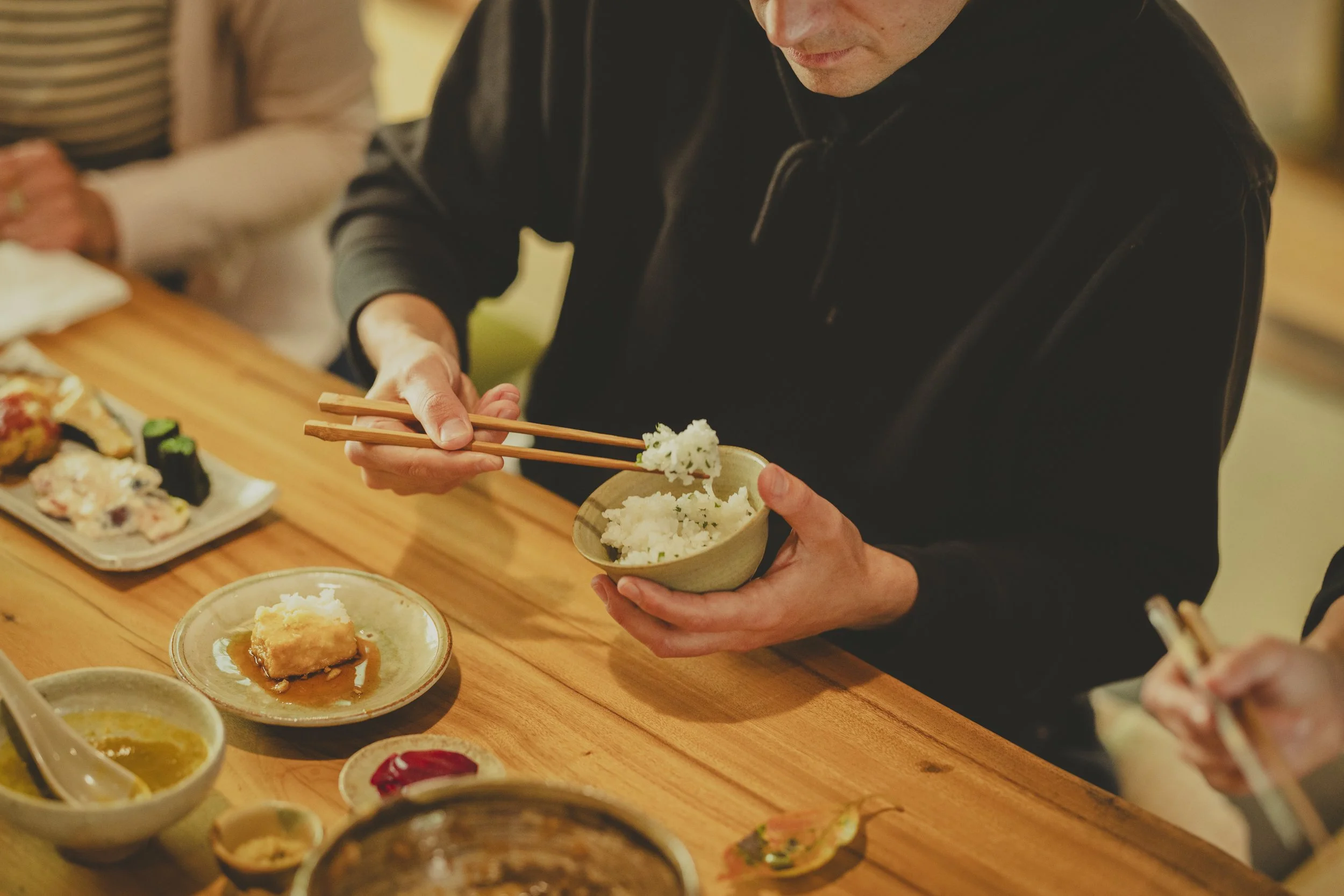
We welcome professionals, semi-professionals, and industry-adjacent professionals who can leverage the knowledge we have cultivated at our Test Kitchen to transform heritage materials into new culinary and social possibilities. Visit the Test Kitchen by booking Office Hours. Experience our current research and experimentation of the heritage materials of cookery.
SOME OF OUR RESEARCH
Koji, the national mold of Japan, has long been considered the foundation of Japanese flavor. It enables the making of miso, soy sauce, mirin, vinegars, and saké. Research begins with the biology of koji, its fermentation process, and the community culture around it. We then move on to experimentation. What new forms of fermented staples might be developed with koji today? How might its enzymatic powers be adapted for plant-based cooking, or for kitchens far from Japan?
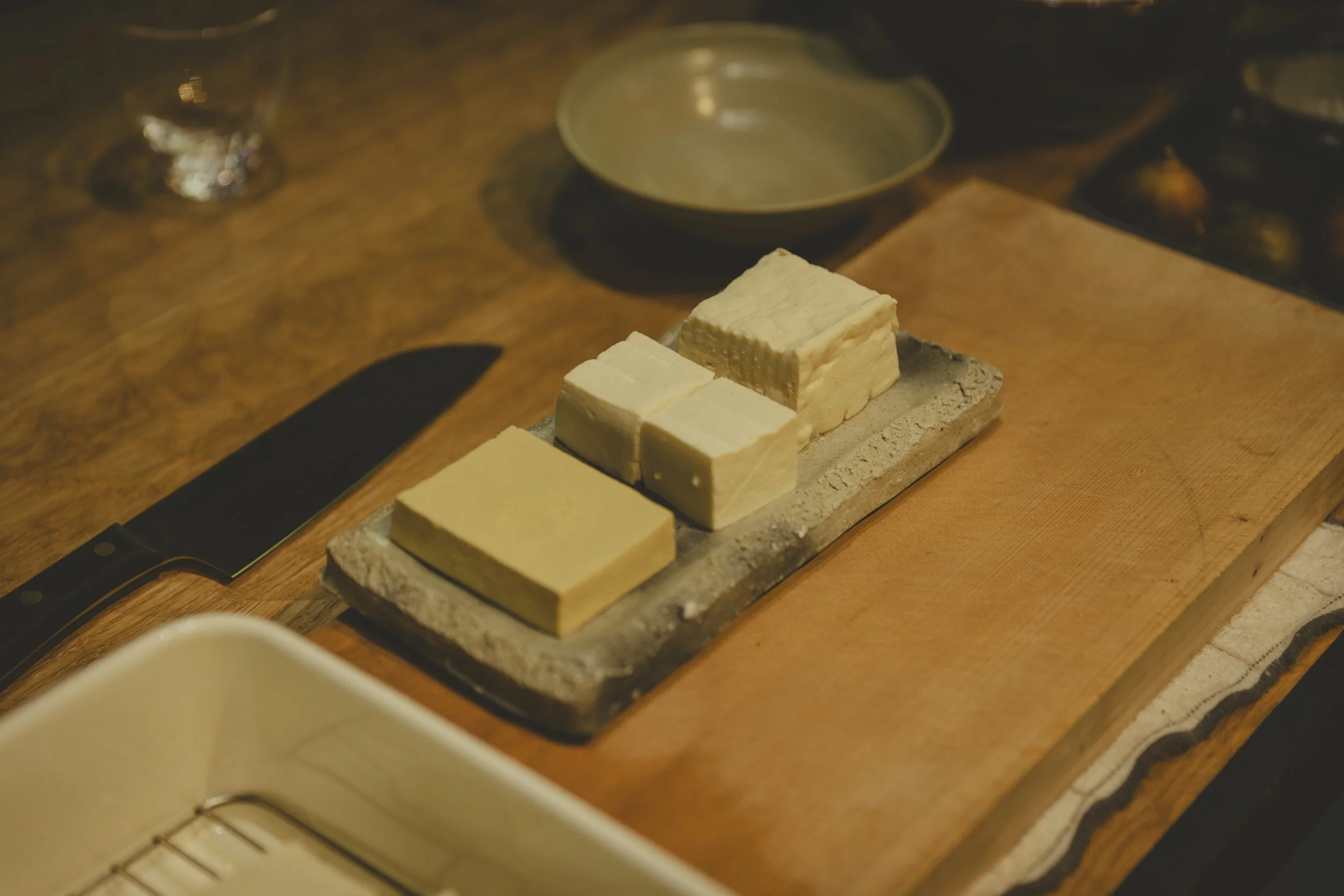
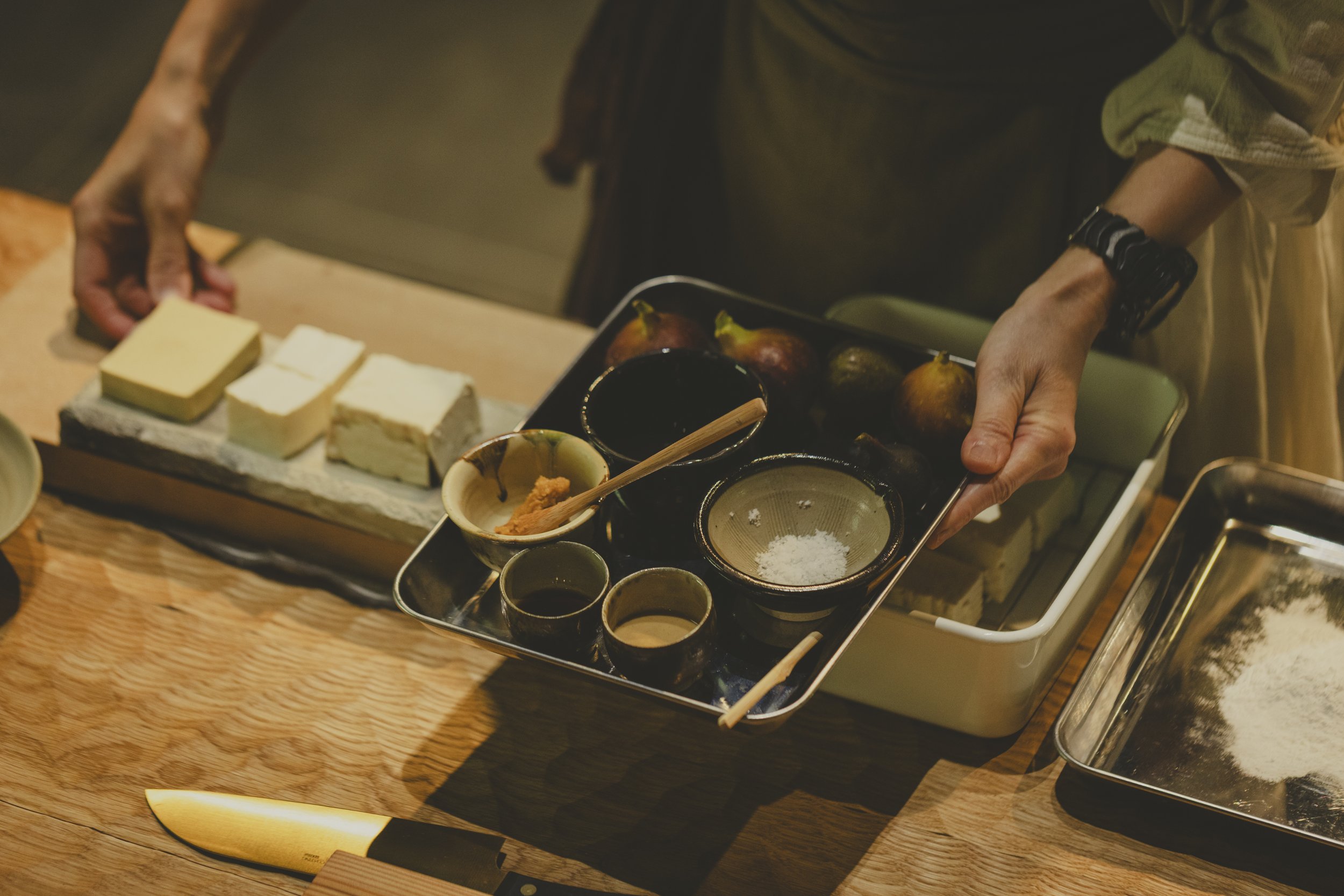
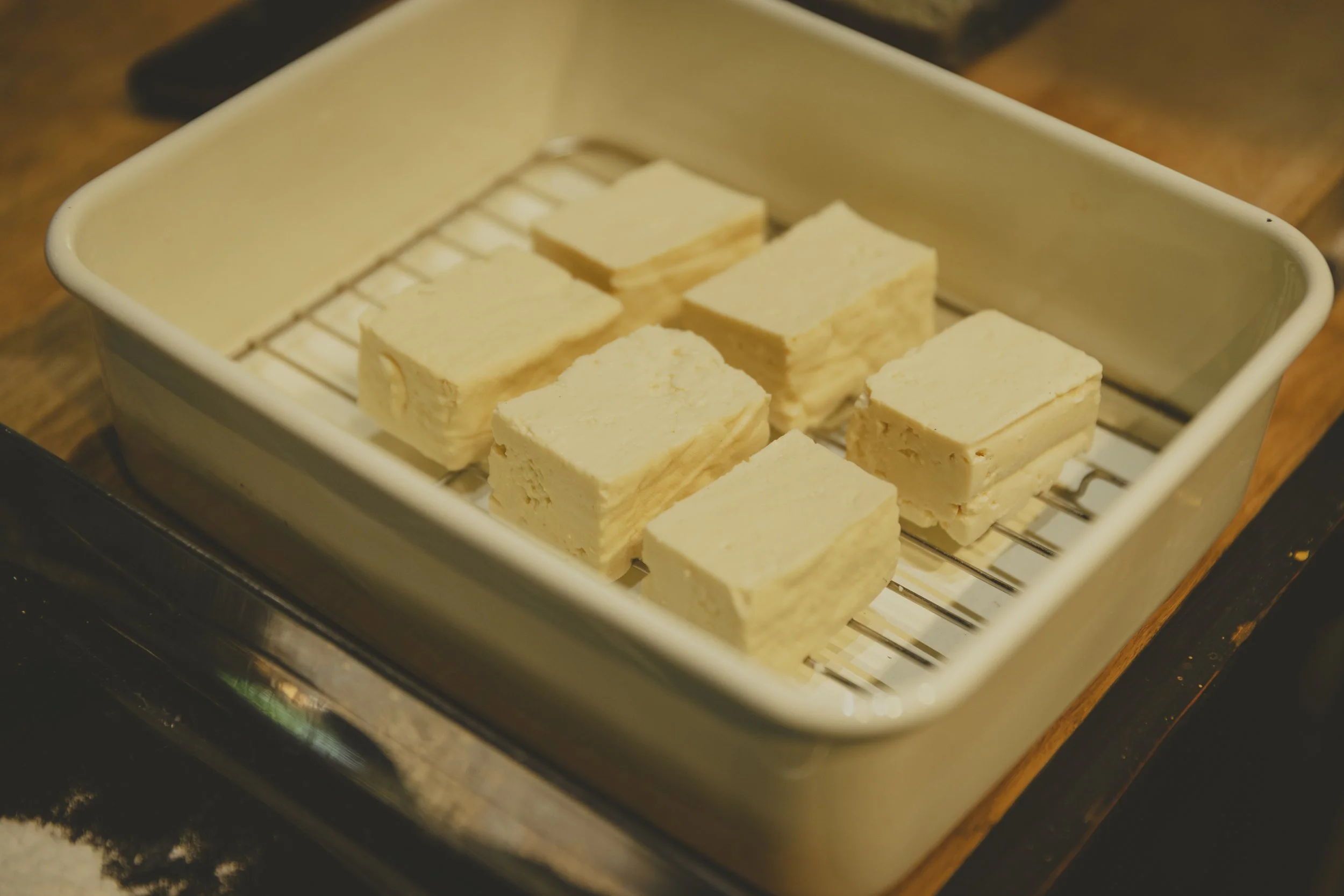
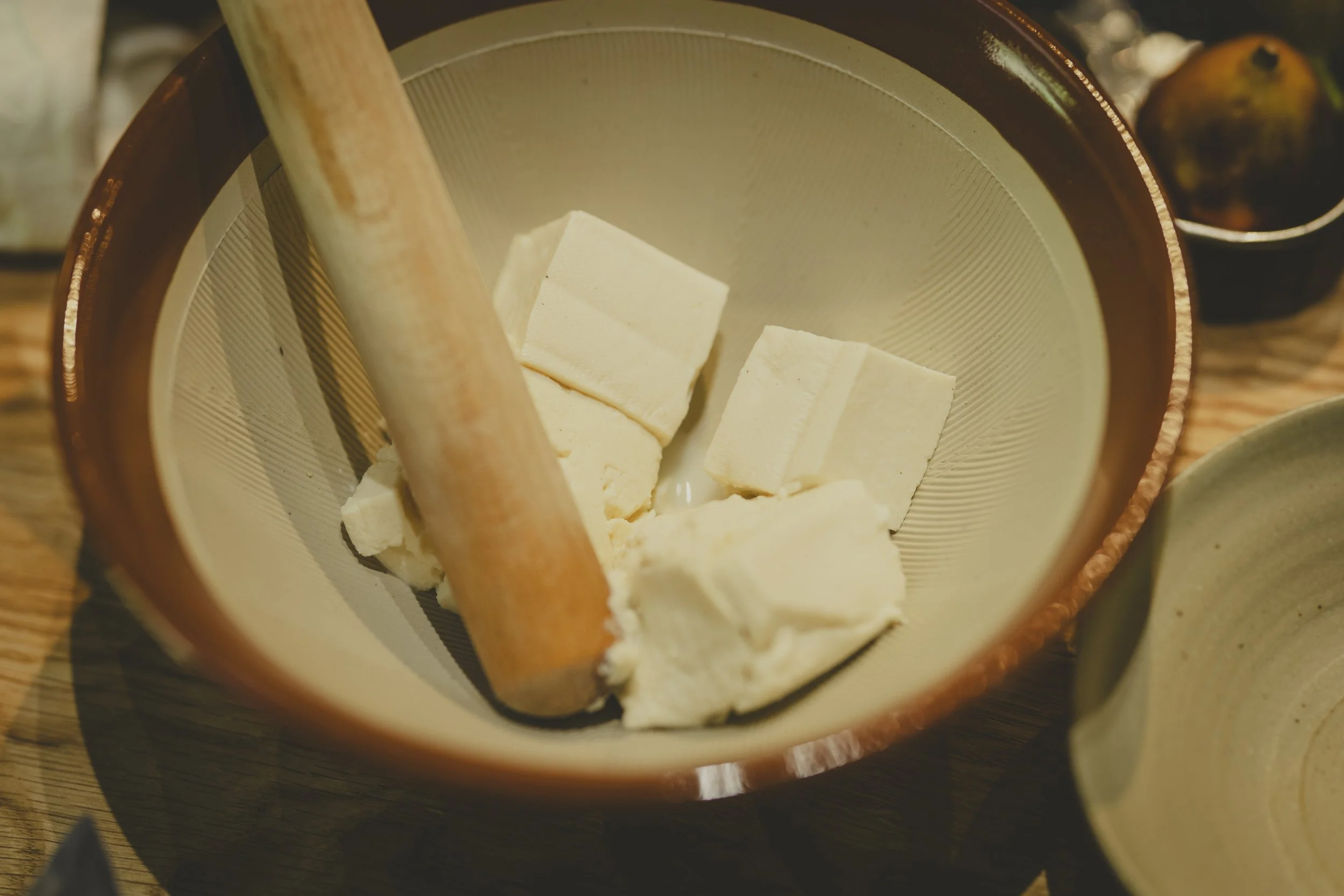
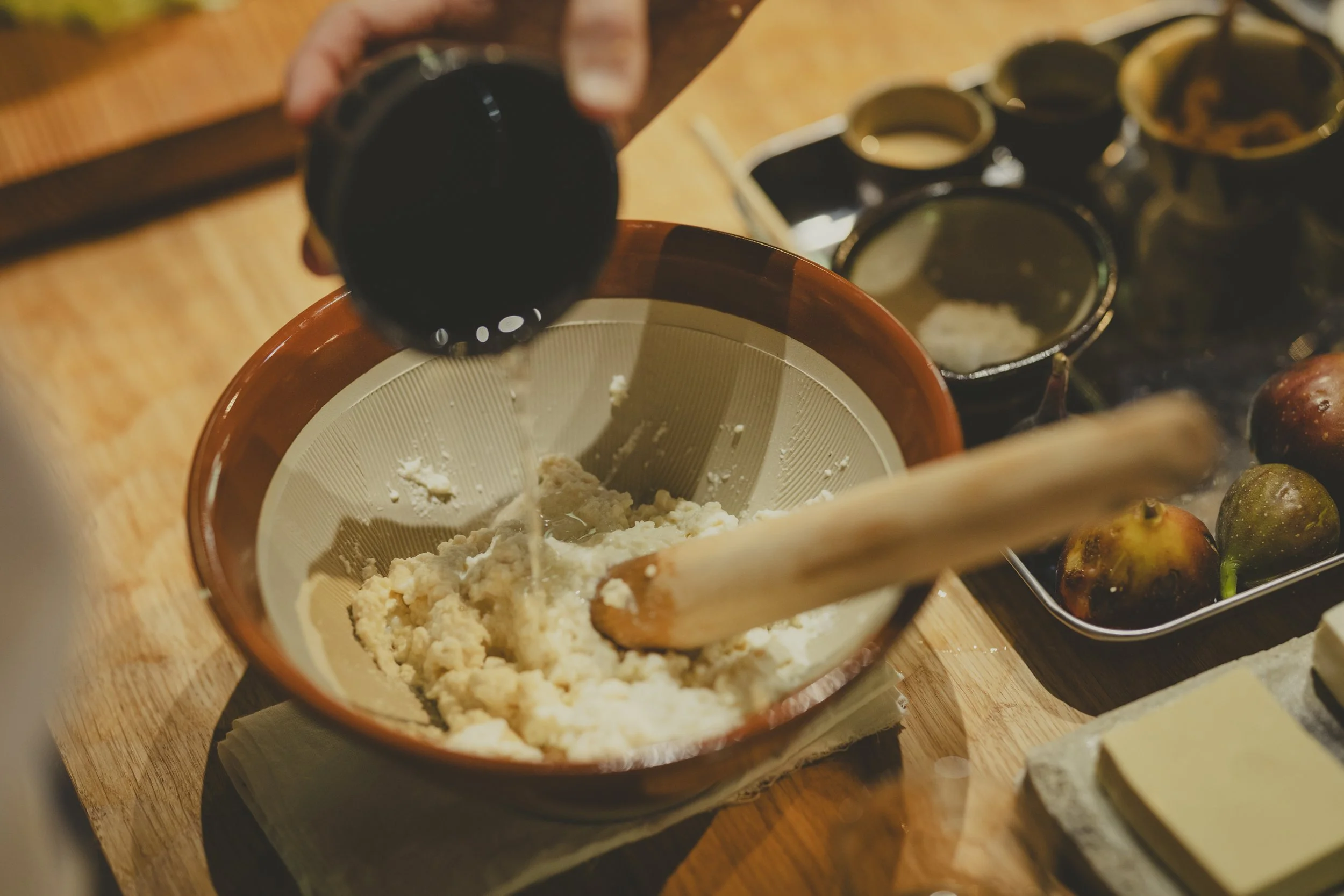
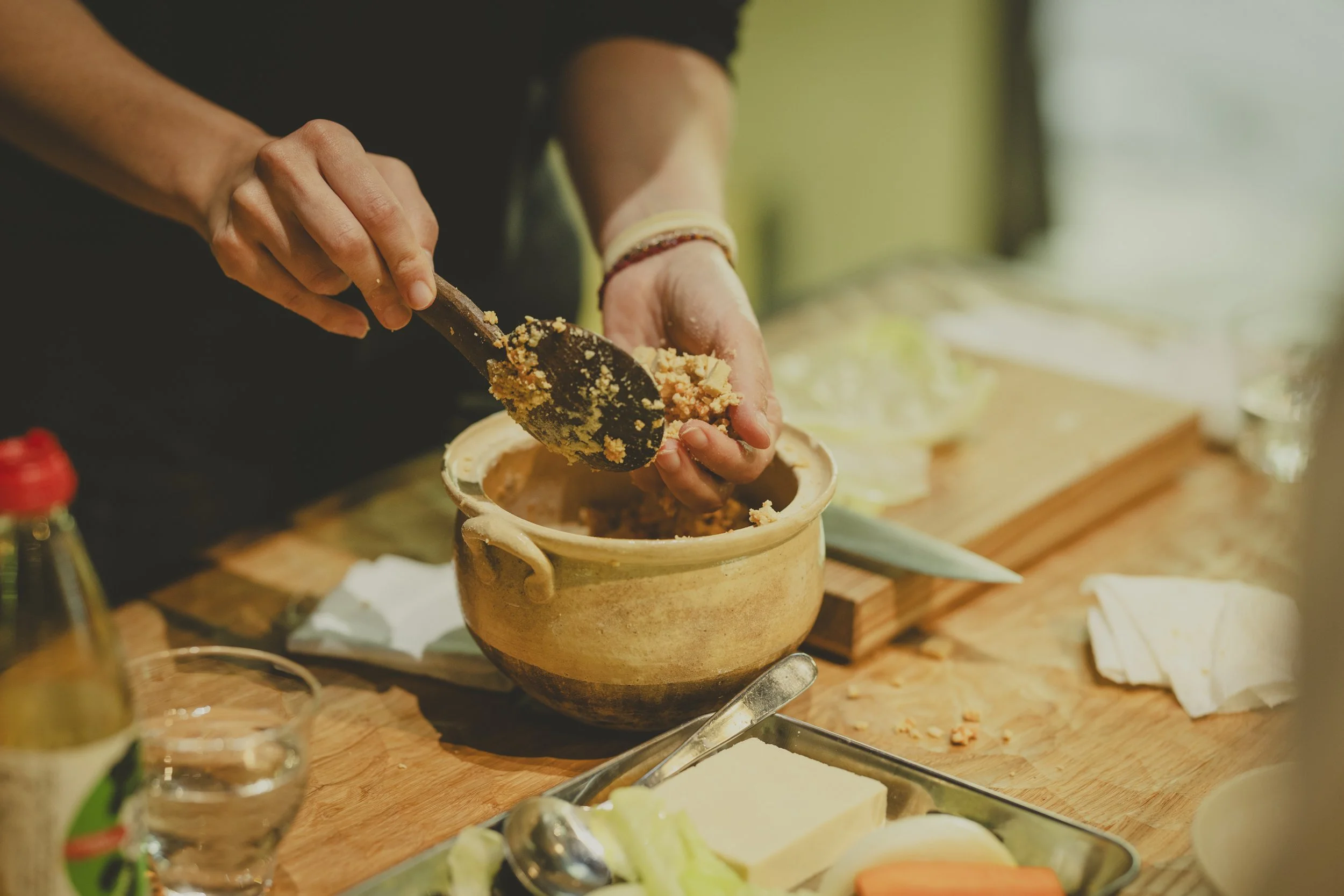
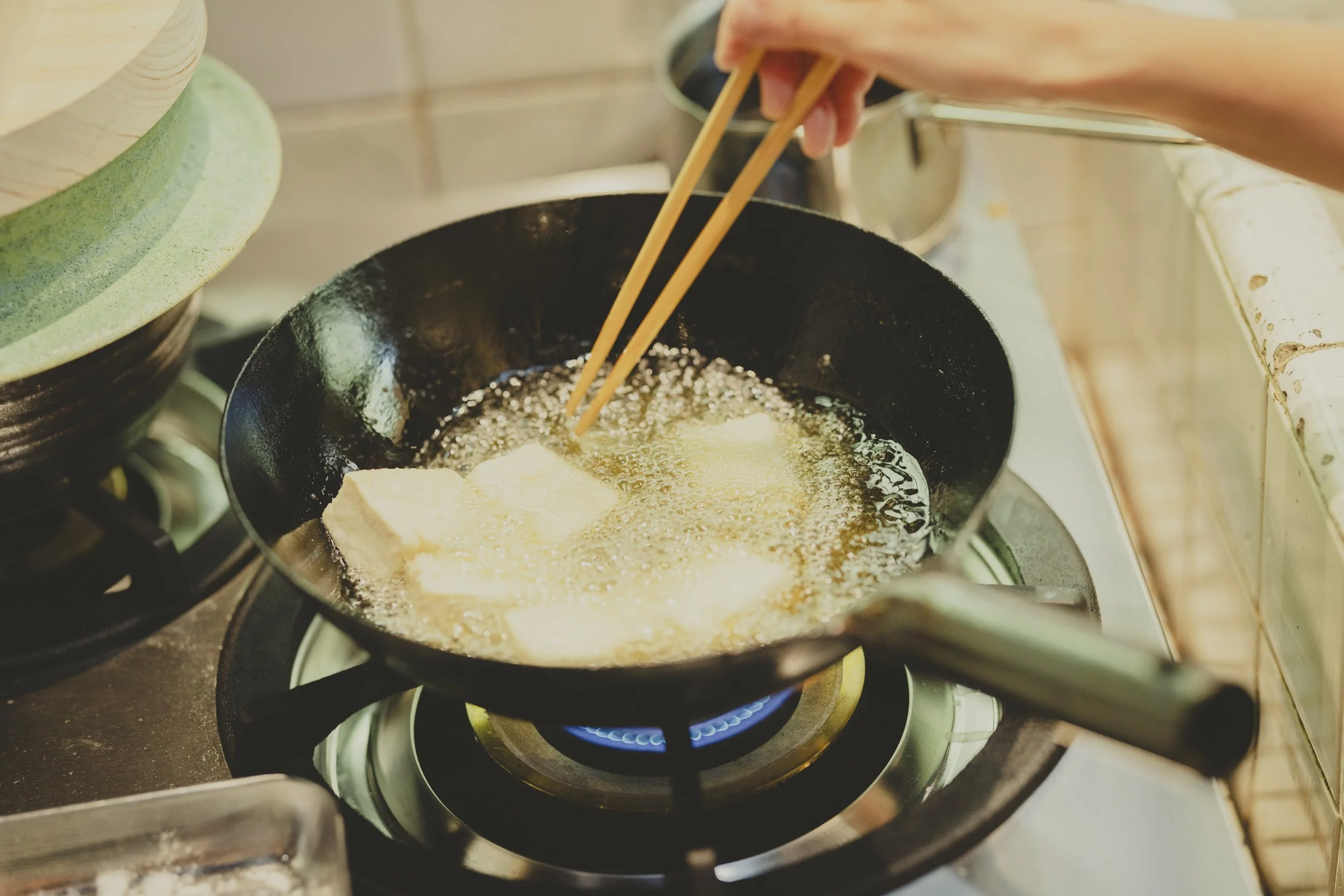
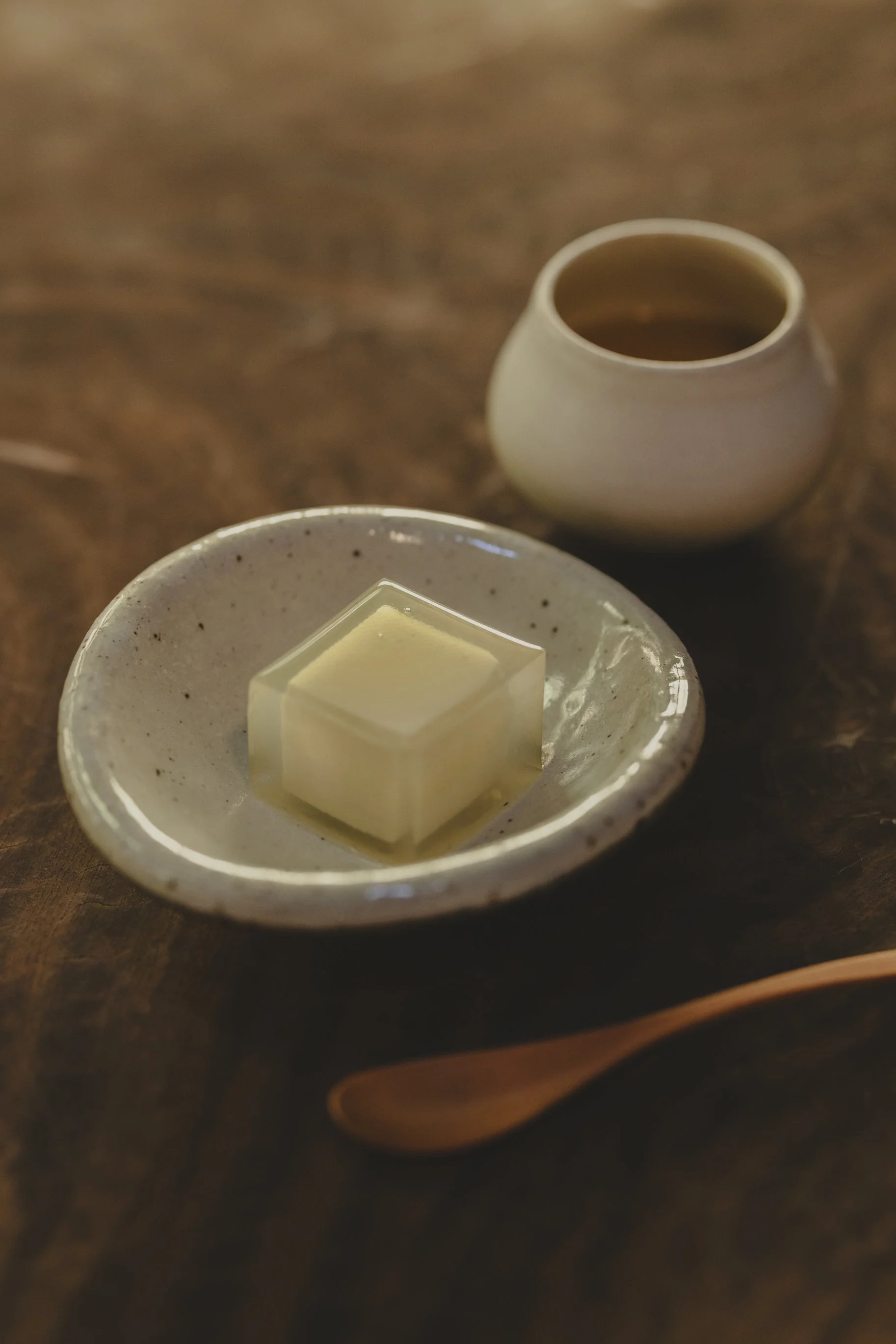
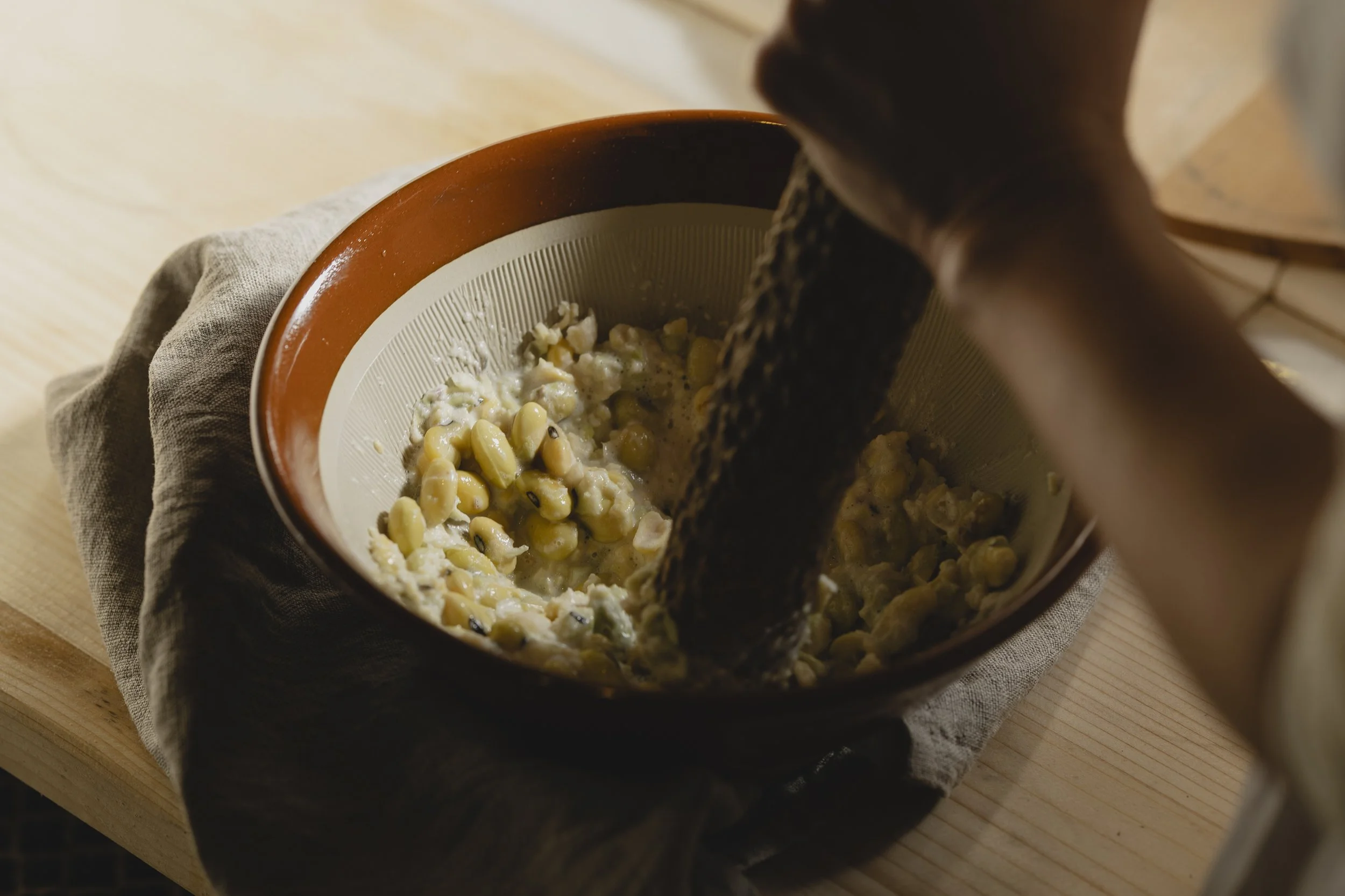
Our Test Kitchen also investigates the regional spectrum of tofu, an ingredient that appears deceptively simple yet encompasses a vast range of forms and traditions that mimic its unique terroir. Silky kinugoshi, freeze-dried koyadofu, and tofus made not with soy beans, but with peanuts and sesame seeds to name a few. Each type developed as a response to local needs and tastes. Technical knowledge and cultural context, inspires modern, sustainable proteins rooted in traditional practice.
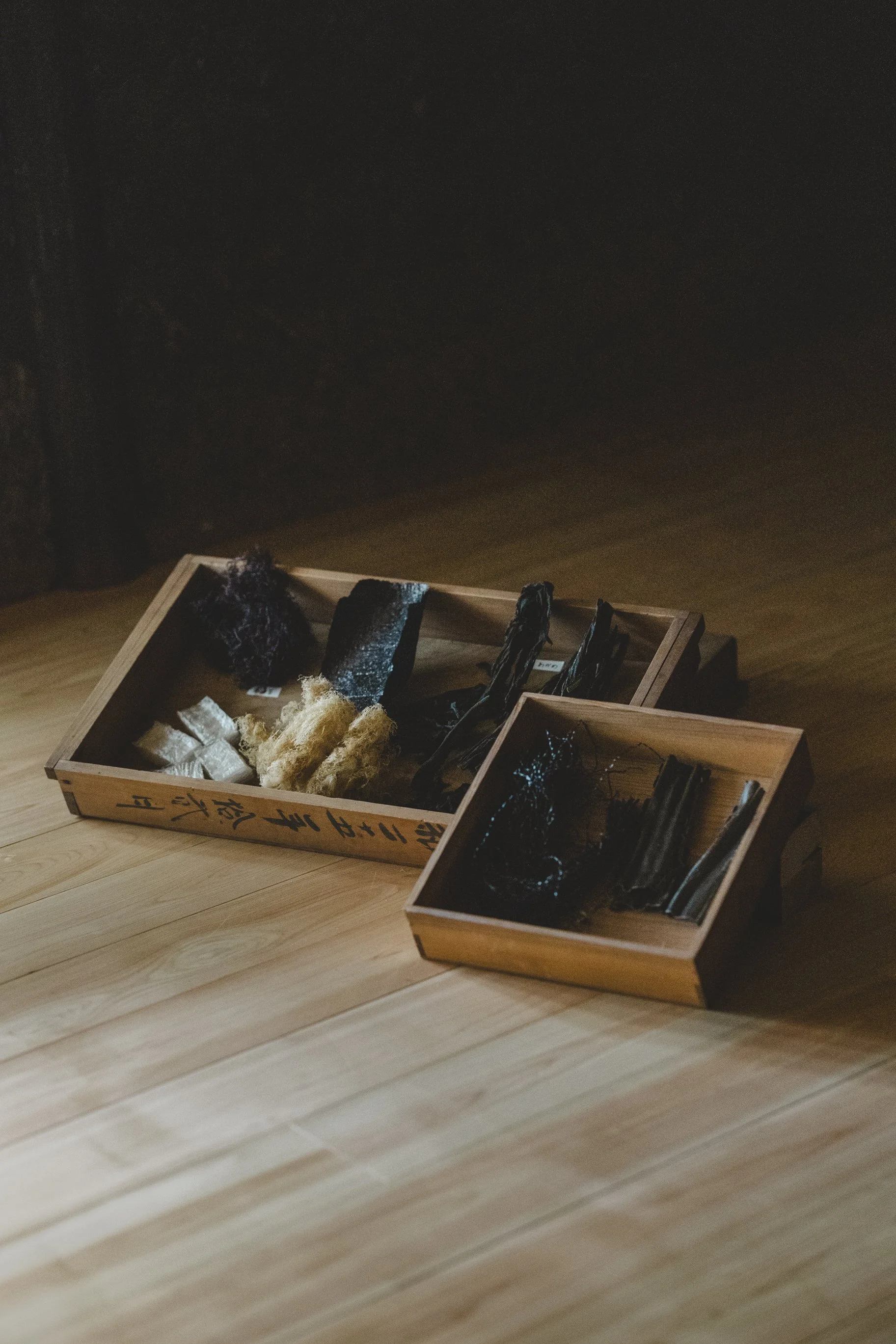
Our study of seaweeds which include kombu, wakamé, nori, hijiki, mozuku, tengusa, are just a few that have historically been used for consumption. As an island country they are central to our nutritional foundation. They also embody ecological interdependence, linking human diets to oceanic health. Our Test Kitchen examines their properties, regional harvesting practices, and culinary applications, while exploring how seaweed can support broader global food cultures.