
VIDEO COLLECTION
Our opportunity to share what we’ve collected in the field, with the purpose of supporting semi-professionals and professionals achieve socially, culturally, and environmentally viable ways to incorporate Japanese heritage materials, and the techniques around them, into the creation of their work.
Access our collection of videos, documenting our fieldwork with Japanese craft professionals.
We welcome designers, researchers, makers, educators, and the perennial student all around the world to leverage what we have documented in the field.
Our educational materials are bilingual, English and Japanese.
PURPOSE
DISCOVER ancestral knowledge of heritage Japanese materials and techniques
UNLOCK the very rare opportunity to learn directly from farmers, restorers, researchers, craftspeople, and other professionals who are modern custodians of generational wisdoms
APPLY learnings to professional practices or more sustainable living solutions wherever you call home
HOW TO ACCESS
We are currently in process of brining our library of fieldwork to you in Spring 2026! Please keep an eye out for the latest by registering to our newsletter if you haven’t already.
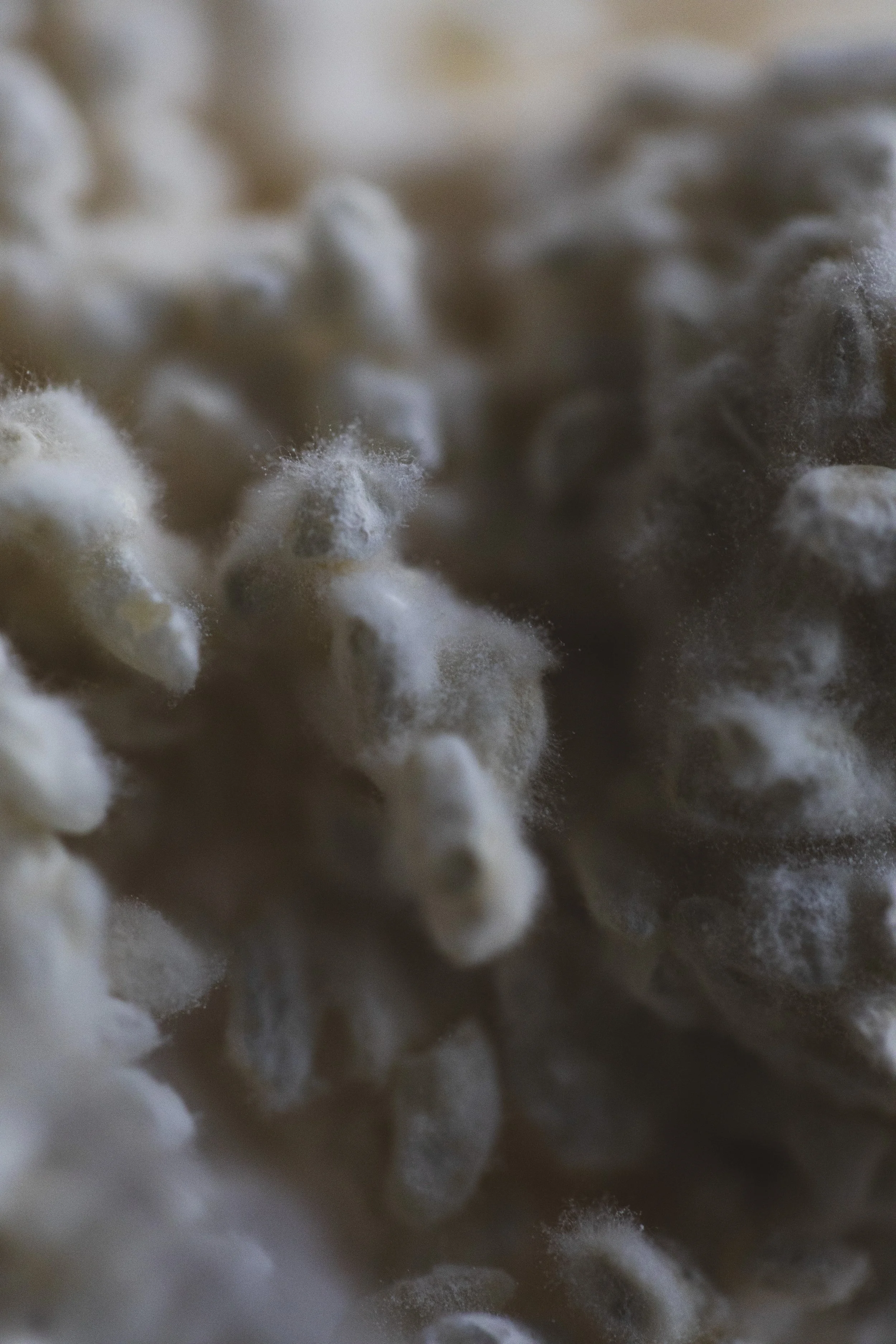


We are opening the doors to our fieldwork so that you too can participate in the discovery, unlocking, and application of heritage materials in our lives today.
Explore the Japanese art of living, and the heritage materials and techniques that inspire sustainable, functional, and aesthetic solutions worldwide.
WHAT ARE HERITAGE MATERIALS?
At Kyoto Research Institute, we define heritage materials as raw natural resources like rice, seaweed, hemp, tea, and bamboo, that through the hands of traditional technique, to transform into the materials that create our everyday living. Examples of heritage materials include washi paper, koji-fermented grains, and earthen walls.
In Japan, we call “to live” or “to create living”, 衣食住 i-shoku-jyu. Quite literally clothing-food-home. These are the three fundamental sectors that constitute the Japanese art of living. Our approach to fieldwork of heritage materials, is tuning in to the archipelago’s raw natural resources and how they have historically been used across each of these sectors.
However, we don’t stop at research.
Our mission is to then go on to explore, experiment, and ultimately execute how these heritage materials have functional, sustainable, and aesthetic value in our lives today.
