
SEARCH JOURNAL ENTRIES

Microseason: Occasional Flash Rains
It’s the last microseason of Summer and the sky becomes volatile once again. Thunderclouds rapidly gather, and sudden downpours, brief but intense, sweep across the countryside. Unlike the long, steady rains of tsuyu, these bursts of precipitation arrive with force, transforming fields, roads, and waterways in a matter of minutes.

Microseason: Humid Air Saturates the Earth
As the full weight of Midsummer descends, the earth becomes damp, and sultry heat prevails. The soil no longer drinks eagerly as it did during rainy season. Instead it now holds moisture tightly, and heat seems to rise from within the earth itself. This saturation unique to Summer is seen in seasonal literature and architectural design.

Microseason: Paulownia Begin to Fruit
Great Heat. The hottest sub-season of the traditional microseasonal calendar has arrived. For the next two weeks, we are said to experience peak heat. If Small Heat, is the rehearsal, then Great Heat is the live performance. The season is marked when the purple flowers of the paulownia tress give way to hard-shelled fruit across the countryside.

Microseason: Young Hawks Study Skills
In preparation to live independently, young hawks learn how to fly and hunt around this time of year. Hawks are known for their exceptional flight capabilities, able to maneuver freely through the sky. Among the animals most closely associated with authority and refinement is the hawk.

Microseason: Lotus Flowers Pop
This time of year, admirers can be found searching for lotus flowers in parks and temples at dawn. The flower’s significance lies in its lifecycle. Emerging from the history that is muddy, marshy waters, the handsome lotus stands tall, and flashes open its striking flower that lasts a mere four days.
Microseason: Warm Wind Arrives
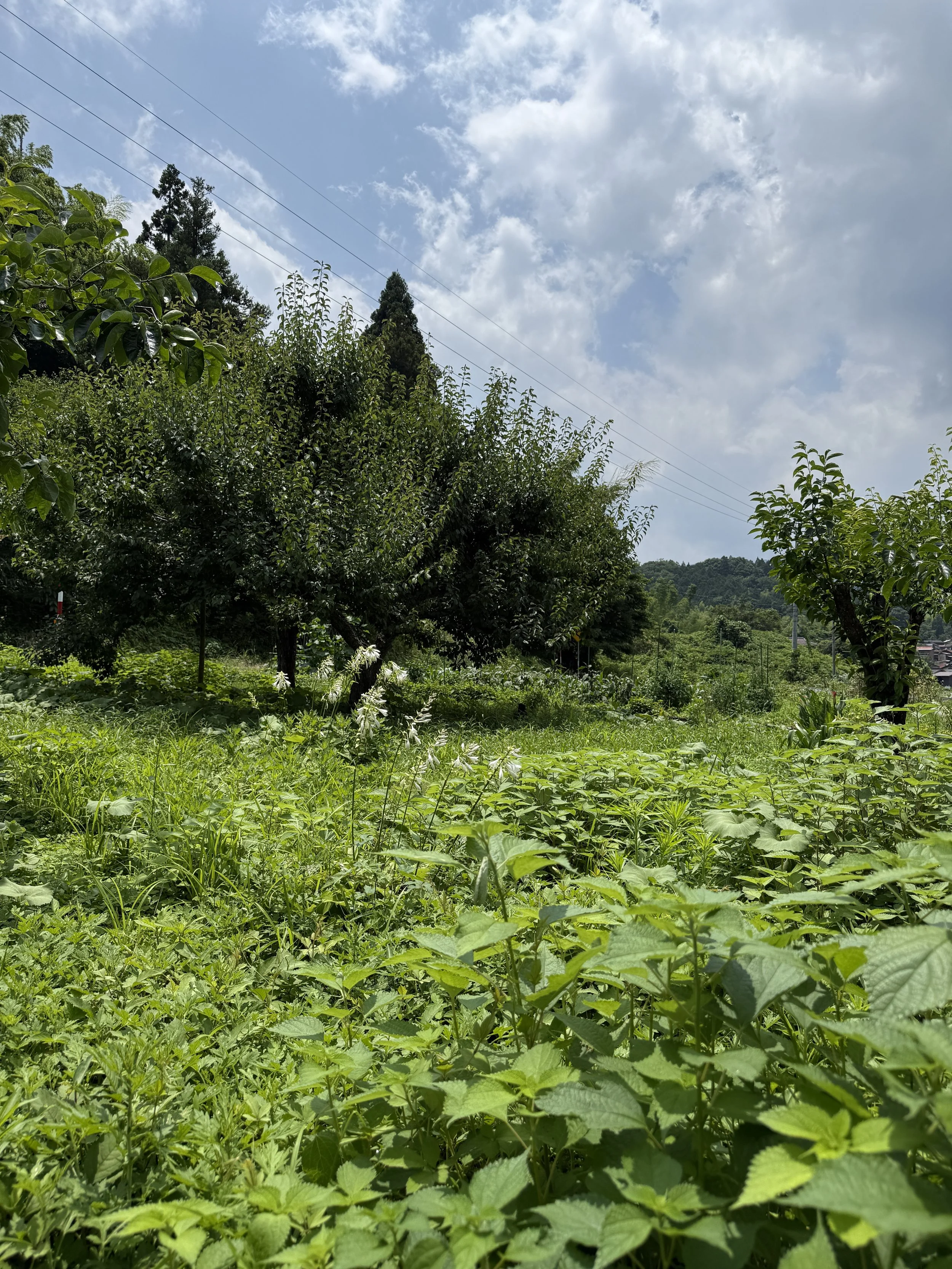
In the traditional Japanese palette, the color green is a relatively recent distinction. For much of Japan’s history, what we now identify as green was encompassed within the broader category of ao. Historically, ao did not refer solely to what is called blue in English. Rather, it described a wide range of hues.