
SEARCH JOURNAL ENTRIES

Microseason: Camellia Flower
From Autumn through Spring, Tsubaki, or Camellia, blossoms are seen across much of the year. Today, it is said that there are approximately 2200 varietals in Japan alone. The Tsubaki plant has serviced the Japanese people for thousands of years as a vital material for living.
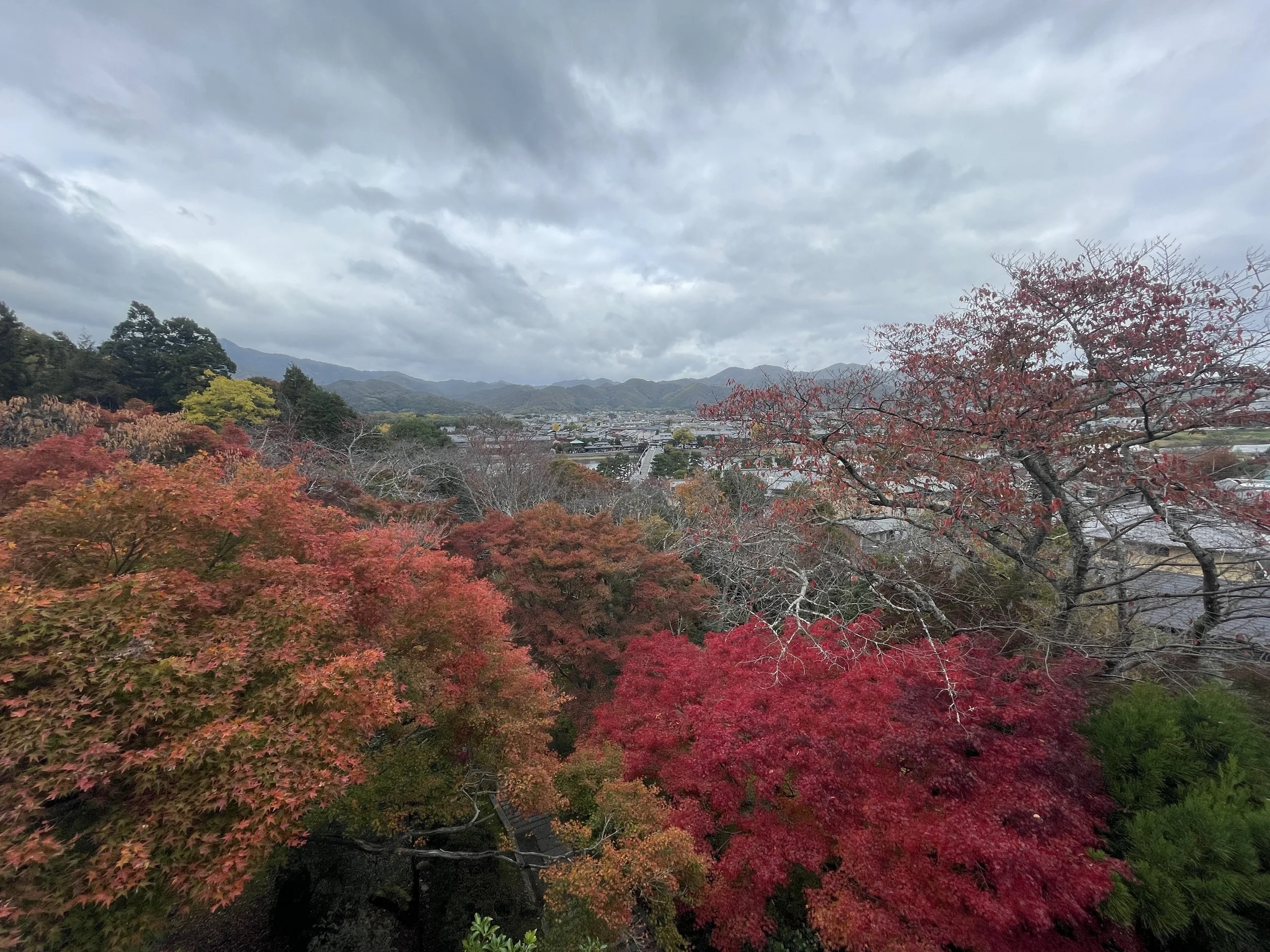
Microseason: Foliage Take Color
Beginning with the Northern most regions of the country, deciduous trees and shrubs begin to take on color this time of year. Like a fireworks show, the first leaves to foliage are modest. Mild in color. They are sprinkled across the mountainside.

Microseason: Intermittent Drizzle
A survey from 2022 reports that over the course of the year, October is when the Japanese people feel most content, peaceful, at ease. While I do not have data on this yet, I suspect some of this is in great thanks to the fact that the natural world provides the perfect conditions that nudge us to breathe deeper.

Microseason: First Frost Falls
‘Tis the season of beans and there is no bean more prominent in Japanese living than daizu, soy beans. Daizu are of course used in cookery, the main ingredient behind tofu, our staple fermented condiments like soy sauce and miso, valuable dry pantry items, and many braised side dishes. But they are also used in the textile dying process, washi-making, and other folk crafts.

Microseason: Bush Crickets at the Door
There are many species of mackerel celebrated as an integral part of food culture across Japan, but today I’d like to focus on Masaba, known as Pacific Mackerel or Chub Mackerel in English. Masaba has become a rarity in Japan, and most seafood sections of grocery stores now line their shelves with Atlantic Mackerel. Masaba is recognized as king, for both its nutritional profile and flavor.
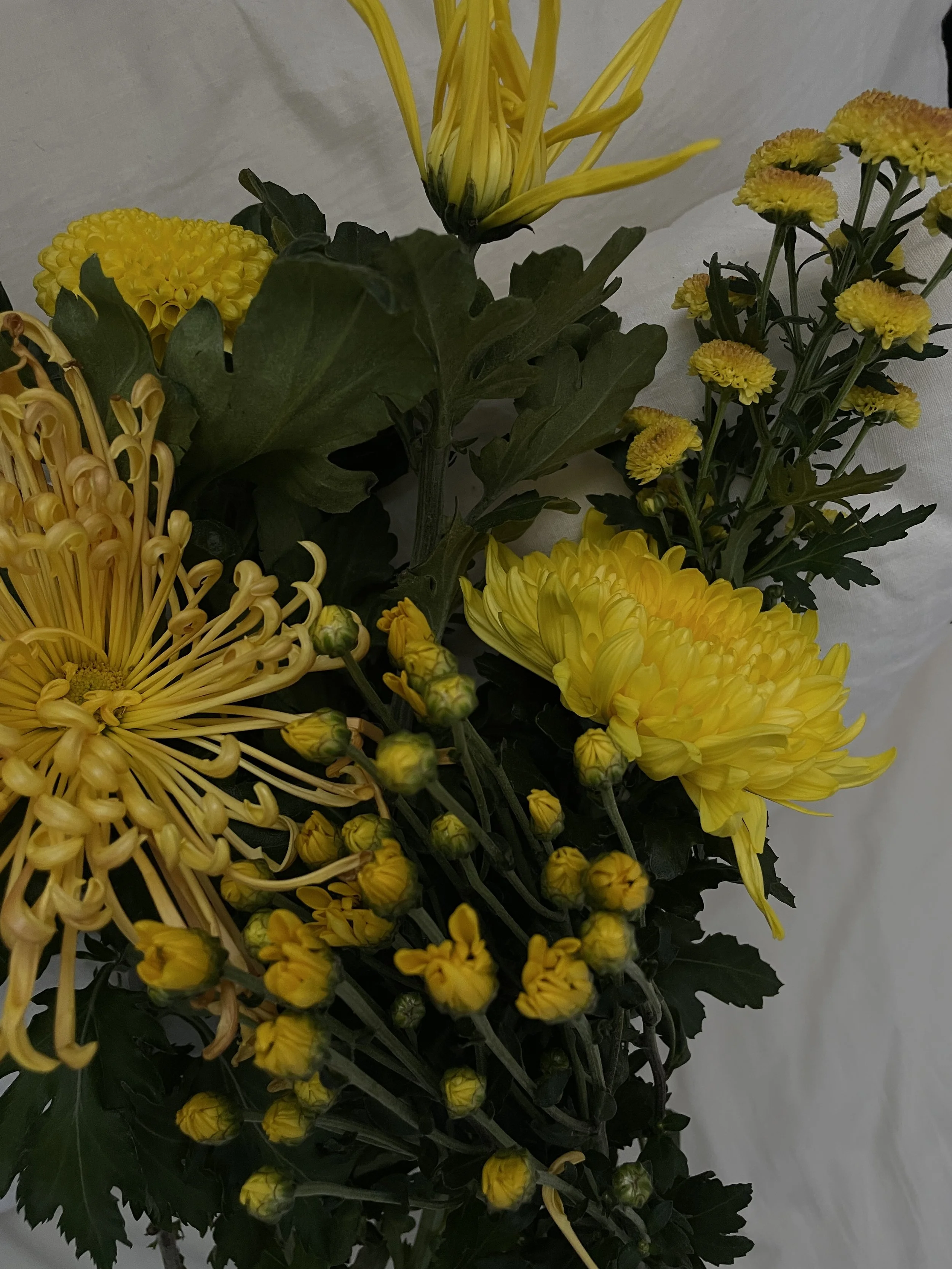
Microseason: Chrysanthemums Bloom
Kiku, or Chrysanthemums, are central to traditional customs of the season. There are over 350 varietals in Japan. As the national flower, parks, temples, and shrines show off their Chrysanthemums this time of year.